Why Is Your Heating Bill Going Up Every Winter?
The thermostat hasn’t moved. Your habits haven’t changed. So why is the gas bill higher again this year?
It’s frustrating. You might think the utility company is squeezing you, and sometimes rates do go up. But if your furnace is 12, 15, or 20 years old, a lot of that extra money is probably going to waste inside the unit. Older furnaces don’t usually die all at once. They lose efficiency slowly, year after year, and you pay for it every month.
The good news? Most of that lost efficiency can be won back. In this guide, you’ll learn how an aging furnace wastes money, what real furnace maintenance includes, and why homes in North Mississippi face a problem most online checklists never mention. You’ll also learn how to tell when a tune-up is enough and when it’s time to stop spending money on an old unit.
The Slow Leak You Can’t See
How an Older Furnace Wastes Your Money
A furnace works a lot like a car engine. It burns fuel, moves air, and depends on dozens of small parts working together. When one part gets dirty or worn, the rest of the system works harder to make up for it.
Here’s the thing: none of this makes a loud noise at first. A clogged filter cuts airflow, so the blower runs longer. Dirty flame sensors make the burners shut off and restart. A worn blower motor pulls more electricity to move the same amount of air. Each problem is small, but together they add up.
Sound familiar? Rooms that never feel quite warm, a furnace that seems to run nonstop, and a bill that keeps climbing. Those are classic signs of a system that is losing efficiency, not just getting old.
Why Age Makes Every Problem Bigger
A new furnace can handle a little dust and still run fine. A 15-year-old furnace can’t. Its parts already have years of wear, so small problems push it past its limit faster.
Most gas furnaces last around 15 to 20 years with good care. Skip maintenance, and that number drops. Keep up with it, and you give an older unit the best chance to reach the end of its life safely.
The DeSoto County Problem Nobody Talks About
Your Furnace Spends Summer in a Sauna
Most furnace maintenance articles are written with cold northern states in mind. North Mississippi is different, and that changes what your furnace needs.
Look, in DeSoto County, a furnace might run hard for three or four months. Then it sits idle for the rest of the year. Many sit in attics or closets that reach well over 100 degrees in July. And in lots of homes, the air conditioner’s indoor coil is mounted right on top of the furnace.
That setup causes trouble. All summer, the AC coil pulls moisture out of the air. If the drain pan is cracked, clogged, or tilted, water can drip down into the furnace below. Over the years, that moisture can rust burners, corrode the heat exchanger, and damage the control board. Owners rarely see it happening, because the furnace isn’t even running.
The Long Nap Creates Its Own Issues
Months of sitting still bring other problems, too. Dust piles up on the burners. Insects and mud daubers can build nests in the vent pipe or intake. Parts that haven’t moved in months can stick.
That’s why the first cold snap in November is when phones ring the most at HVAC shops. The furnace wakes up, smells like burning dust, and then something fails. A fall tune-up catches these problems before the cold hits, not during it.
What a Real Furnace Tune-Up Should Include
More Than a Quick Filter Swap
Not every “tune-up” is the same. Some companies send someone out for 20 minutes to change a filter and hand you a coupon. That’s not maintenance.
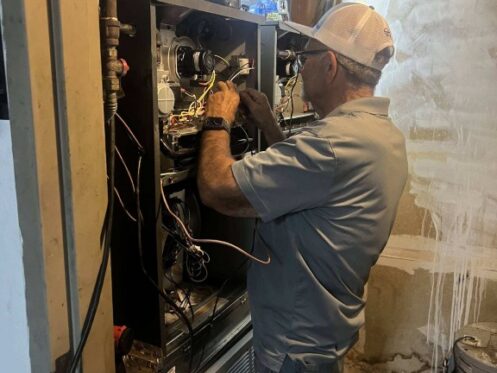
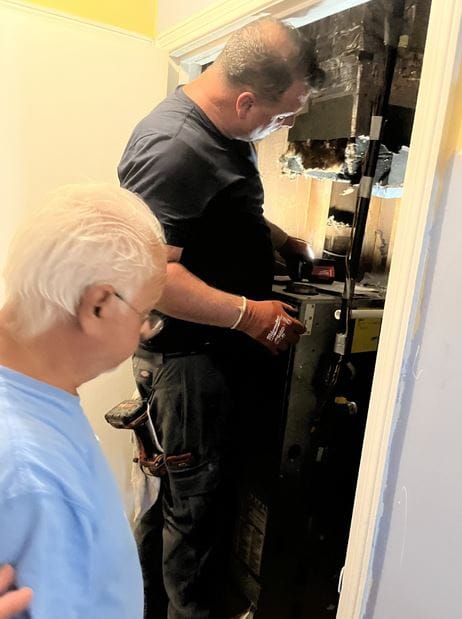
A thorough visit should include a full safety and performance check. The technician should inspect the heat exchanger for cracks and test for carbon monoxide. They should clean the flame sensor and burners, check the ignition system, and confirm the gas pressure is correct. They should also test the blower motor, tighten electrical connections, check the vent pipe for blockages, and look for rust or water damage from the AC coil above.
The team at RW Heating, Air, Plumbing & Electrical does this kind of check on every visit. Their NATE-certified technicians are trained to spot wear patterns before they become breakdowns.
What Each Task Actually Does for You
Here’s how the main maintenance tasks connect to the problems homeowners care about most.
| Maintenance Task | Problem It Prevents | How It Helps You |
|---|---|---|
| Replace or check air filter | Blocked airflow, overheating | Lower bills, less strain on the blower |
| Clean flame sensor and burners | Short cycling, failed starts | Steadier heat, fewer “no heat” calls |
| Inspect heat exchanger | Cracks that can leak carbon monoxide | Protects your family’s safety |
| Test carbon monoxide levels | Hidden CO leaks | Peace of mind all winter |
| Check AC coil drain pan above furnace | Water dripping into the furnace | Prevents rust and control board damage |
| Clear vent and intake pipes | Nests, debris, blocked exhaust | Safe venting and proper burning |
| Test blower motor and capacitor | Motor burnout | Avoids expensive emergency repairs |
| Tighten electrical connections | Loose wires, overheating | Prevents shutdowns and fire risk |
| Check thermostat calibration | Wrong temperature readings | Heat matches what you set |
Is It Safe to Keep Running an Old Furnace?
The Real Danger in an Aging Unit
This part is serious, and it’s worth a pause. As furnaces age, the metal heat exchanger heats up and cools down thousands of times. Over years, that stress can cause cracks.
A cracked heat exchanger can let carbon monoxide into your home’s air. You can’t see it or smell it. That’s why a CO test and heat exchanger inspection matter more on an old furnace than anything else in a tune-up.
Every home with a gas furnace should have working carbon monoxide detectors, no matter how old the system is. Test them when you change your clocks each fall.
What You Can Safely Do Yourself
There’s a lot you can handle without calling anyone. Change your filter every one to three months during heating season. Keep the area around the furnace clear of boxes and cleaning supplies. Make sure supply and return vents aren’t blocked by furniture.
But here’s what matters: gas valves, burners, and heat exchangers are not DIY jobs. The exception is if you’re a licensed HVAC pro yourself. For everyone else, leave the inside of the furnace to someone trained to work on it.
Repair, Tune-Up, or Replace? How to Decide
The Math That Helps You Choose
You might feel stuck between spending money on an old furnace and spending a lot more on a new one. That’s a hard spot to be in.
One simple rule helps. Multiply the age of your furnace by the cost of the repair. If the number is over $5,000, replacing usually makes more sense. For example, a $400 repair on a 15-year-old furnace equals $6,000. That’s a sign to at least get a replacement quote.
This rule doesn’t work if the repair is a small, cheap part on an otherwise healthy unit. A $150 flame sensor on a 17-year-old furnace is still often worth fixing. Use the rule as a guide, not a law.
Signs a Tune-Up Won’t Be Enough
Some problems go beyond what maintenance can fix. A cracked heat exchanger usually means replacement. So do repeated breakdowns in the same season, or a furnace that needs costly parts that are hard to find.
If you’re facing that decision, ask for an honest opinion. RW Heating, Air, Plumbing & Electrical will tell you when furnace repair is the smart choice and when a new furnace installation will save you more over time. If replacing is the answer, their financing options can make it easier to handle, and it’s worth checking the current specials too.
The Easy Way to Never Forget a Tune-Up
Why Memberships Make Sense for Older Systems
Let’s be real. Most people mean to schedule a tune-up. Then life gets busy, and suddenly it’s January and the furnace is making a strange noise.
A maintenance membership takes that off your plate. The Comfort Club handles your seasonal tune-ups for both heating and cooling, gives you priority scheduling, and offers member pricing on repairs. For an aging furnace, that twice-a-year check is the best protection you can buy. You can also compare options on the maintenance plan page.
One Call Covers the Whole House
Here’s something many homeowners don’t think about until they need it. Furnace problems sometimes connect to other systems. A furnace might need a new electrical circuit, or the AC drain line causing water damage might tie into your plumbing.
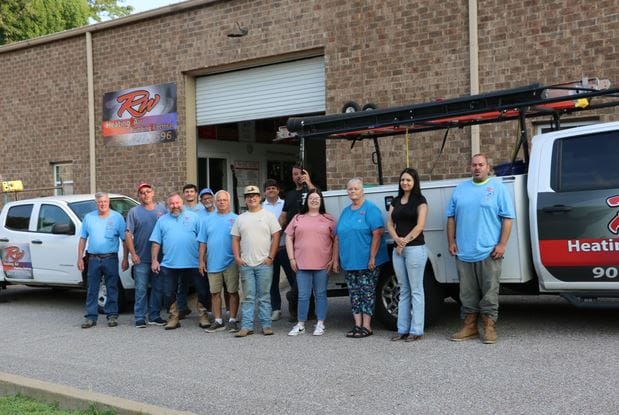
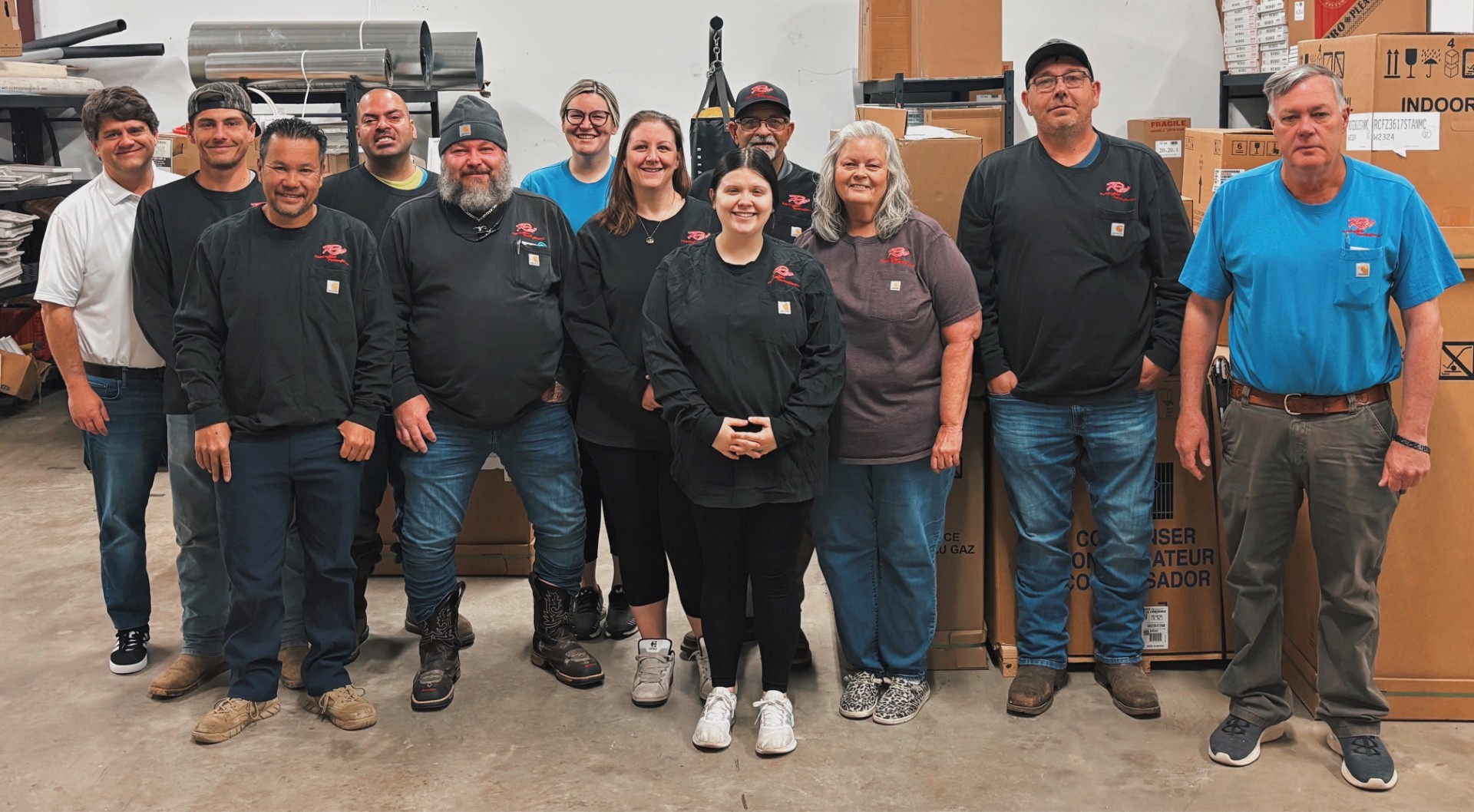
Because RW Heating, Air, Plumbing & Electrical holds licenses for HVAC, plumbing, and electrical, one crew can handle all of it. No waiting on three different companies. No finger-pointing. The family-owned team has been serving homes from their Nesbit shop on Old Hwy 51 since 1999. You can learn more about the family and crew behind the trucks.
Frequently Asked Questions
How often does an older furnace need maintenance?
Once a year, in early fall, is the minimum. For furnaces over 10 years old, many pros suggest pairing it with a spring AC check, especially in North Mississippi homes where the AC coil sits right on top of the furnace. That second visit catches summer moisture problems before they damage the heating system.
Can furnace maintenance really lower my heating bill?
Yes, in most cases. Dirty filters, clogged burners, and worn parts make a furnace run longer to reach the same temperature. Cleaning and adjusting those parts helps it heat your home using less fuel. Savings are usually biggest on older units that have gone a few years without service.
What does it mean when my furnace smells like burning at the first cold snap?
A light burning-dust smell for the first few minutes is common after months of sitting unused. If the smell lasts more than an hour, smells like burning plastic or rubber, or you smell gas, turn the system off and call a professional. Gas smells mean you should leave the home first and call for help from outside.
Is it worth maintaining a 20-year-old furnace?
Often, yes, for safety alone. A tune-up includes a carbon monoxide test and heat exchanger inspection, which matter most on older units. It also gives you an honest read on how much life the furnace has left. That lets you plan for a replacement instead of getting surprised in the middle of winter.
Warm Home, Lower Bills, No Surprises
An aging furnace doesn’t have to mean a high bill or a scary breakdown. Most lost efficiency comes from dirt, wear, and neglect, and regular furnace maintenance fixes a lot of that. In DeSoto County, where furnaces sit in hot, humid spaces for most of the year, a fall tune-up matters even more.
Remember the key points. Change your filter often. Get a professional inspection every fall, and never skip the carbon monoxide check on an older unit. Use the age-times-repair-cost rule when it’s time to decide between fixing and replacing.
Want to walk into winter feeling relieved instead of worried? Schedule your furnace tune-up or call 662-429-2590. Call before 10 AM and you can get same-day service. One call. One crew. Done right.