The Click, the Whoosh… and Then Nothing
It’s the first cold night of the year. You bump the thermostat up. You hear the furnace click. Then a whoosh as the burners light.
Ten seconds later? Silence. Cold air. The furnace tries again. And again. Then it gives up completely.
Sound familiar? If your furnace is 10, 15 or even 20 years old, this is one of the most common calls heating techs get when the weather turns. And it’s frustrating, because the furnace worked fine last winter.
Here’s the thing: older furnaces rarely die all at once. Small parts wear out first, one at a time. The flame sensor and the igniter are usually at the front of the line. Good furnace maintenance catches those worn parts in the fall, before they leave you stuck on a freezing night.
In this guide, you’ll learn which parts fail first in an aging furnace, why they fail, what a real tune-up checks, and how to tell when a repair still makes sense.
Why Old Furnaces Break Down in Pieces
Every time a gas furnace turns on, a chain of small parts has to work in the right order. The inducer fan starts. A safety switch checks the airflow. The igniter heats up. The gas valve opens. The flame sensor confirms there’s fire. Then the blower pushes warm air through your home.
If any link in that chain is weak, the whole thing stops. That’s a safety feature, not a flaw. But it means one small, worn part can shut down your whole heating system.
Short Cycles Wear Parts Faster Than Long Winters
Here’s something most people don’t know. In places with mild winters, like DeSoto County, furnaces don’t run as many total hours as they do up north. That sounds like good news.
But hours aren’t what wear out an igniter. Starts are.
Our winters swing from warm to freezing, so your furnace turns on and off a lot. Each start heats the igniter to more than 2,000 degrees, then lets it cool. Over and over. That constant heating and cooling is what cracks it. A furnace that cycles eight times an hour takes a beating, even if it only runs a few months a year.
The Two Parts That Quit First
Most “my furnace won’t stay on” calls trace back to one of two small parts. Both are cheap. Both are easy to check. And both give warning signs before they fail for good.
The Flame Sensor: A Tiny Rod With a Big Job
The flame sensor is a thin metal rod that sits in front of the burner flame. Its only job is to prove the fire is lit. If it can’t sense the flame, the furnace shuts off the gas in a few seconds. That keeps unburned gas from filling your home.
Over time, the rod gets coated with a thin film from burning gas. That film acts like a jacket. The sensor can’t “feel” the flame anymore, even when the flame is right there.
The result is the pattern from the opening. Burners light, then shut off within seconds. Most furnaces will try three times, then lock out for an hour or so.
Look, a dirty flame sensor is the most common reason an older furnace short cycles. The good news? A careful flame sensor cleaning often fixes it in minutes. The exception is a sensor that’s cracked, bent or has a worn-out wire. Then it needs to be replaced.
The Igniter: Fragile, Hot and Worn Out on Schedule
Most furnaces made in the last 25 years use a hot surface igniter. It glows bright orange, like the coil in a toaster, to light the gas.
These igniters are made of ceramic material. That makes them great at handling heat, but fragile. Tiny cracks form after thousands of starts. One day, the crack gets big enough that the igniter won’t glow. Your furnace clicks and hums, but it never lights.
Here’s what matters: a tech can test an igniter with a meter and often see it weakening before it breaks. A slow glow or a small visible crack is a warning. Replacing it during a fall tune-up is a lot less stressful than an emergency call on the coldest night of the year.
What Wears Out in an Aging Furnace (And When)
The flame sensor and igniter aren’t the only parts that age. Here’s a quick look at what techs watch closely in older systems. How long each part lasts depends on how often your furnace cycles and how well it’s been maintained.
| Part | Typical Life Span | Warning Sign | Maintenance Fix or Replace? |
|---|---|---|---|
| Air filter | 1–3 months | Dusty vents, weak airflow, furnace overheats | Replace on schedule |
| Flame sensor | 5–10+ years if cleaned | Burners light, then shut off in seconds | Often cleaned; replaced if damaged |
| Hot surface igniter | 3–7 years | Clicking and humming, but no flame | Replace when weak or cracked |
| Blower capacitor | 5–10 years | Blower hums or starts slowly | Test and replace when weak |
| Inducer motor | 10–15 years | Rattling or high-pitched whine at startup | Clean, check; replace if noisy or slow |
| Pressure switch | 10–15 years | Furnace starts, then stops before lighting | Test hoses and switch |
| Heat exchanger | 15–20+ years | Rust, cracks, odd flame patterns, CO alarm | Inspect every year; a crack often means replacement |
Notice a pattern? Most of these parts show small signs long before they fail. You just need someone to look.
What a Real Tune-Up Covers (Hint: It’s Not Just a Filter Swap)
Skeptical about tune-ups? Maybe you’ve had a “maintenance visit” that felt like a quick look and a sales pitch. That’s fair.
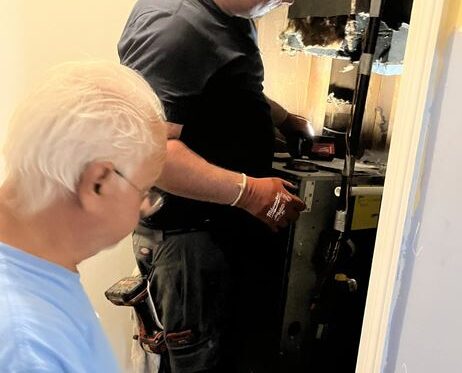
But a true furnace maintenance visit is hands-on. A good tech will clean and test the flame sensor. They’ll measure the igniter with a meter, not just eyeball it. They’ll check the gas pressure, the burners and the flame color.
They’ll also look closely at the heat exchanger for cracks and rust. This part matters most for safety. A crack can let carbon monoxide mix into the air you breathe. On a furnace that’s 15 years or older, this check alone is worth the visit.
Then there’s the airflow side. The tech checks the blower motor, the capacitor, the belt if there is one, and the wiring. They make sure the safety switches actually shut the furnace off when they should. Finally, they run a full heating cycle and watch it from start to finish.
The Furnace Closet Tells a Bigger Story
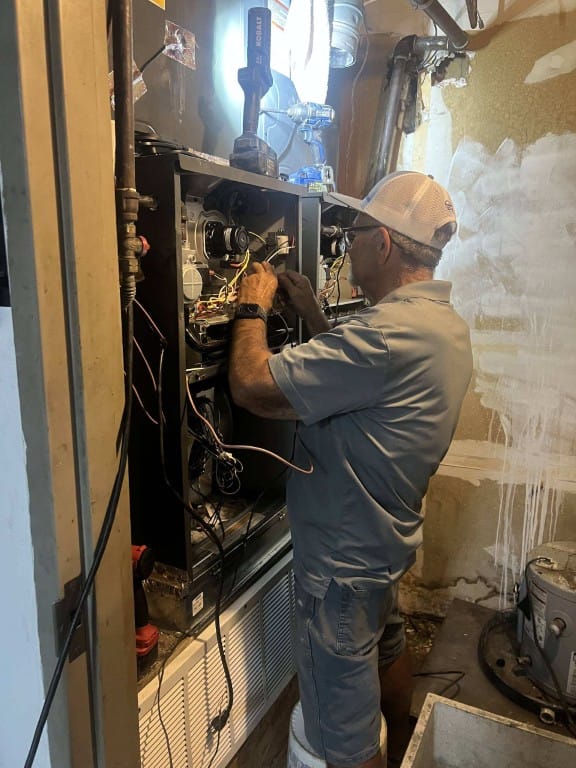
Here’s an angle most tune-up guides skip. Your furnace doesn’t live alone. In many DeSoto County homes, it shares a closet or attic with the water heater, the gas line and the circuit that powers it.
That’s where a company with more than one trade license helps. RW Heating, Air, Plumbing & Electrical holds state licenses for heating and air, plumbing and electrical work. So if the tech spots a leaking water heater drain pan, a loose furnace wire or a scorched outlet nearby, you don’t get told to “call someone else.” One call. One crew. Done right.
Should You Repair or Replace an Old Furnace?
This is the question that keeps a lot of homeowners up at night. Nobody wants to throw good money at a furnace that’s about to die. But nobody wants to buy a new system they don’t need, either.
If your furnace is under 15 years old and the problem is a sensor, igniter or capacitor, repair almost always makes sense. These are small parts. Swapping one can buy you years of good heat.
It gets trickier past 15 years. A common rule of thumb: multiply the furnace’s age by the repair cost. If that number tops $5,000, replacement deserves a serious look. A cracked heat exchanger on an older unit is usually the tipping point.
This rule doesn’t work if your furnace has been well cared for and the rest of it tests strong. Some 20-year-old furnaces still have plenty of life left. Others give out at 12. That’s why a straight answer from someone who’s actually looked inside your unit beats any online calculator.
When a fix makes sense, furnace repair is the way to go. When it doesn’t, furnace installation with a newer, more efficient system can lower your bills. Some homeowners also consider a heat pump, which works well in our mild winters. And financing can take the sting out of a surprise replacement.
How to Stop Worrying About the First Cold Snap
Want to know the secret to a stress-free winter with an older furnace? It’s not luck. It’s timing.
Schedule your tune-up in early fall, before the rush. That way, any weak igniter or dirty sensor gets handled while it’s still 70 degrees outside.
Between visits, you can help, too. Change your filter every one to three months. Make sure your carbon monoxide detectors have fresh batteries. And pay attention to new sounds or smells. Your furnace usually tells you something’s wrong before it quits.
The easiest way to never forget a tune-up? A maintenance membership. The Comfort Club from RW Heating, Air, Plumbing & Electrical puts your tune-ups on the calendar, so you don’t have to remember. You can learn more on the maintenance plan page.
Frequently Asked Questions
How often does an older furnace need maintenance?
Once a year, every year, ideally in early fall. Furnaces older than 10 years benefit the most, because that’s when igniters, sensors and motors start to wear. Skipping a year gives small problems time to grow.
Why does my furnace turn on, then shut off after a few seconds?
The most common cause is a dirty flame sensor. The burners light, but the sensor can’t confirm the flame, so the gas shuts off for safety. A clogged filter or a failing pressure switch can cause similar short cycling.
Can I clean my own flame sensor?
Some handy homeowners do. But you’ll need to shut off the power and gas and remove the part without bending it. You also risk bumping the fragile igniter nearby. If you’re not comfortable working around gas parts, leave it to a licensed tech.
Is annual furnace maintenance worth it on a 20-year-old furnace?
Yes, maybe even more than on a new one. Older furnaces are more likely to have cracked heat exchangers, which can leak carbon monoxide. A yearly inspection keeps you safe and helps you plan for replacement on your own schedule, not in an emergency.
Warm Home, Clear Head, No Surprises
An aging furnace doesn’t have to mean a winter full of worry. Most breakdowns start with small, cheap parts like flame sensors and igniters. Those parts wear out from constant starts, not just old age. And they almost always give warning signs that a trained tech can catch.
Yearly furnace maintenance catches those problems early, checks the safety parts that matter most and gives you an honest read on repair versus replacement. That’s peace of mind you can feel on the first cold night.
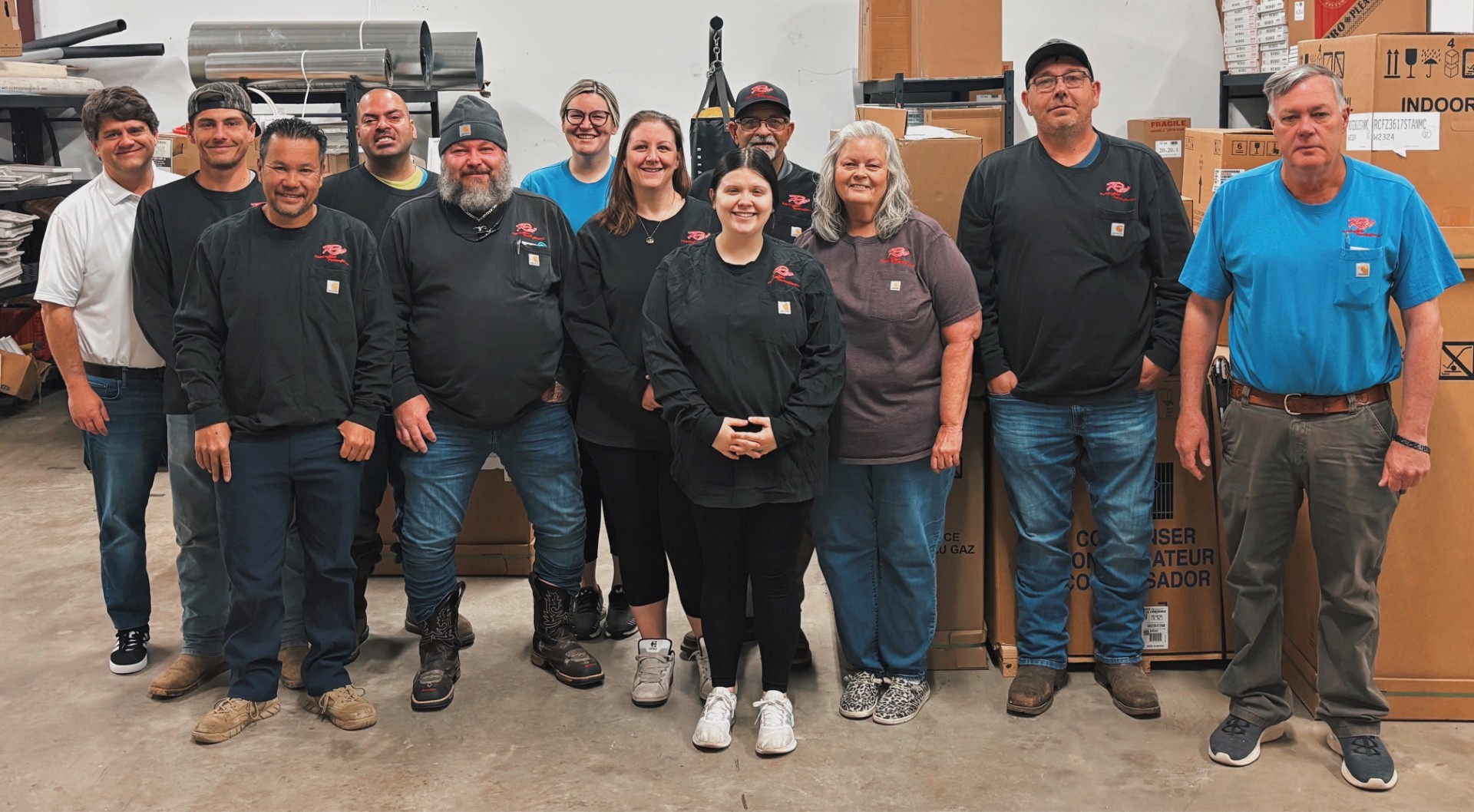
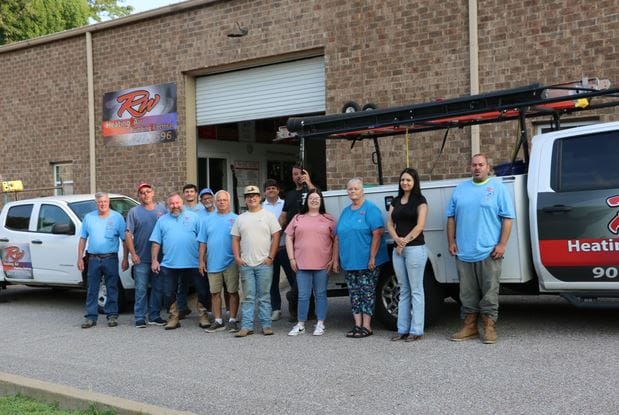
RW Heating, Air, Plumbing & Electrical has been keeping heating systems running in Nesbit, Hernando, Olive Branch and across DeSoto County since 1999. We’re a family-owned team based in Nesbit, with NATE-certified techs who treat your home like a neighbor’s. Don’t wait for the click, whoosh and silence. Contact us or call 662-429-2590 to schedule your fall tune-up today.