You Got the Keys. Now Who Takes Care of the Furnace?
You signed a stack of papers, moved in boxes, and finally slept in your new house. Then the first cold night hits. You flip the thermostat to heat and stand there, waiting, wondering if anything’s going to happen.
Sound familiar?
Most new homeowners have no idea what their furnace needs. Nobody hands you a manual at closing. The seller might not know either. And the home inspection? It probably told you less than you think.
This guide clears that up. You’ll learn how to figure out what you’ve got, which furnace maintenance tasks you can handle yourself, what a pro should do, and how often each one needs to happen. No jargon. Just a plan you can actually follow.
The Home Inspection Didn’t Tell You Everything
Here’s the thing most buyers don’t realize. A standard home inspection is a visual check. The inspector turns the heat on, sees that warm air comes out, and moves on.
They usually don’t take the furnace apart. They don’t test the heat exchanger for cracks, measure gas pressure, or check the flame sensor. So “furnace works” on your report really means “furnace turned on that day.”
That’s not a knock on inspectors. It’s just not their job. But it does mean your furnace’s real condition is still a mystery. If you’re feeling a little uneasy about that, you’re not wrong to.
Your First-Week Detective Work
Before anything else, go find the furnace. In a lot of DeSoto County homes, it’s in the attic, a hall closet, or the garage. Attic units are common here, and they’re also the ones people forget about the longest.
Look for a metal label, called a data plate, on the side of the unit. It lists the brand, model, and serial number. The serial number often hides the year the furnace was made. A quick search of your brand’s serial number format will usually tell you its age.
Next, look for service stickers. Many HVAC companies leave a dated tag on the unit after a tune-up. No sticker? Or one from five years ago? That tells you a lot about how the last owner treated it.
Last, check the filter slot and write down the filter size printed on the old filter. You’ll need it soon.
What Furnace Maintenance Actually Involves
Furnace maintenance comes in two parts. There’s the easy stuff you do yourself, and there’s the deeper work a licensed tech should handle once a year.
Skipping either one costs you. Skip the filter changes, and your system strains and runs up your bill. Skip the yearly tune-up, and small problems like a dirty flame sensor or a loose wire turn into a no-heat call on the coldest night of the year.
Here’s a simple breakdown you can save.
| Task | Who Does It | How Often | Why It Matters |
|---|---|---|---|
| Replace air filter | You | Every 1–3 months (monthly with pets or allergies) | A clogged filter chokes airflow and overheats the system |
| Test carbon monoxide detectors | You | Monthly | Gas furnaces can leak CO, which you can’t see or smell |
| Keep area around furnace clear | You | Ongoing | Boxes and storage near a furnace are a fire risk |
| Check vents and returns aren’t blocked | You | Each season | Blocked vents make rooms uneven and strain the blower |
| Professional heating tune-up | Licensed HVAC tech | Once a year, ideally early fall | Catches cracks, gas issues, and worn parts before they fail |
| Clean flame sensor | Licensed HVAC tech | During annual tune-up | A dirty sensor is one of the top reasons furnaces shut off |
| Flush condensate line (high-efficiency units) | Tech, or you with guidance | Yearly | Clogged lines can shut down the furnace or leak into ceilings |
| Inspect ductwork | Licensed HVAC tech | Every few years, or if airflow seems weak | Leaky ducts waste heated air in the attic |
The DIY Part: Easier Than You Think
Look, you don’t need to be handy to do this part. Changing a filter takes about two minutes.
Turn off the furnace at the thermostat. Slide out the old filter. Slide in a new one with the arrow pointing toward the furnace, in the direction the air flows. That’s it.
Buy a few at once so you’re never stuck. A cheap fiberglass filter is fine for some homes. But if anyone in your house has allergies, a pleated filter is worth the extra few dollars. Just don’t go too thick or too fine unless your system is built for it. Some high-rated filters actually choke older furnaces.
Don’t Forget the Detector
Got a gas furnace? Then a working carbon monoxide detector isn’t optional. Put one near the bedrooms and one near the furnace if possible. Press the test button once a month.
It feels like a small thing. But it’s the one item on this list that’s about your family’s safety, not just comfort.
The Pro Part: What Happens During a Real Tune-Up
So what are you paying for when a tech comes out? It’s a fair question, especially when money’s tight after a move.
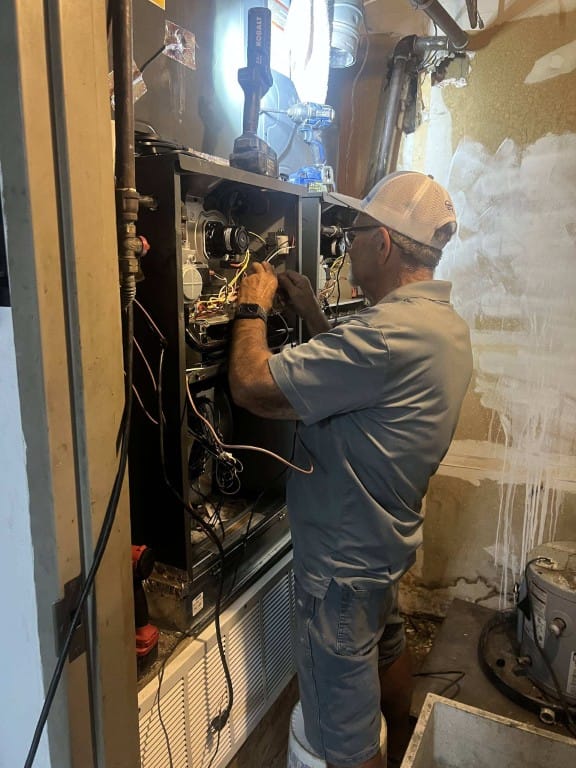
A good tune-up is a top-to-bottom check. The tech inspects the heat exchanger for cracks, which matters because a crack can let carbon monoxide into your air. They test the igniter, measure gas pressure, check electrical connections, oil moving parts if needed, and clean the furnace flame sensor.
That flame sensor deserves a quick word. It’s a small metal rod that confirms the burner lit. When it gets coated with grime, the furnace thinks there’s no flame and shuts itself off. The result? A furnace that starts, runs a few minutes, then quits. Over and over. It’s one of the most common winter service calls, and a yearly cleaning almost always prevents it.
A tech also checks safety controls and makes sure exhaust gases vent outside the way they should. That’s the stuff you just can’t eyeball.
The Attic Furnace Problem Nobody Mentions
Here’s something specific to homes around Hernando, Nesbit, and Olive Branch. Many furnaces here sit sideways in hot, humid attics. If yours is a high-efficiency model, it makes water as it runs, and that water drains through a small plastic line.
In our humid climate, those lines grow algae and clog. When that happens, a safety switch can shut the furnace down. Or worse, water backs up into the drain pan and drips through your ceiling. A brown stain on a hallway ceiling is often the first sign. Having the line cleared each year is cheap insurance against a much bigger repair bill.
How Often? A Straight Answer
Once a year for the furnace. Every one to three months for the filter. That’s the core rhythm.
The best time for the yearly tune-up is early fall, before you need heat every night. Schedules fill up fast once the first cold snap hits, and nobody wants to wait three days with no heat.
Many homes in DeSoto County also have central air, and that system needs its own check in spring before summer. Two visits a year, one for heat and one for cooling, keep the whole system healthy. If you have a heat pump, it works year-round for both heating and cooling, so twice-a-year service is especially important.
The Exception: Brand-New Systems
Did your home come with a brand-new furnace? You might think you can skip maintenance for a few years. Not quite.
Many manufacturers require you to register the unit within a set window after install, often 60 to 90 days, to get the full parts warranty. Some also expect proof of regular maintenance if you file a claim later. Check your paperwork, or ask a tech to help you sort it out. It’s frustrating to lose warranty coverage over a missed form.
Signs Your Furnace Needs Help Now
Some things can’t wait for the yearly visit. Call a pro if you notice any of these.
A loud bang when the furnace starts can mean delayed ignition. A yellow or flickering burner flame, instead of steady blue, can point to a combustion problem. Rooms that never warm up, a furnace that cycles on and off every few minutes, or a sudden jump in your gas bill all deserve a look.
And if your carbon monoxide detector goes off? Get everyone out of the house, then call for help. Don’t try to troubleshoot first.
One quick note to ease your mind. A burning-dust smell the first time you turn on the heat each fall is normal. Dust settles on the burners over summer and burns off. It should fade within an hour. If it doesn’t, call someone.
Why One Call Beats Three Contractors
Owning a home means more than a furnace. There’s the water heater, the electrical panel, the plumbing under the sinks. As a new owner, you might feel overwhelmed trying to find a trustworthy pro for each one.
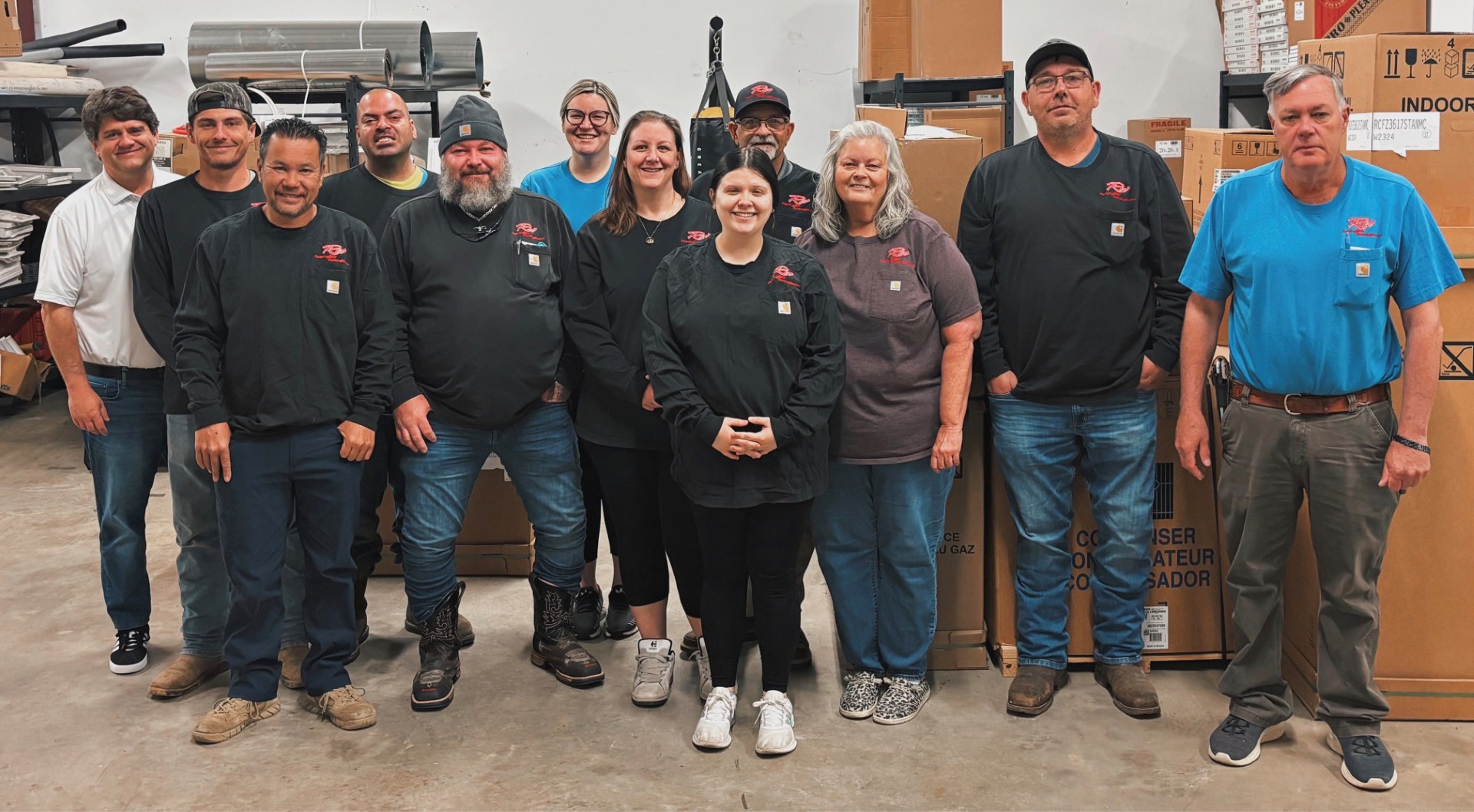
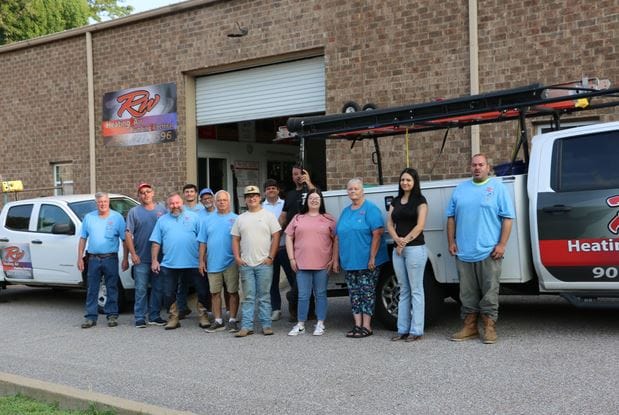
That’s where RW Heating, Air, Plumbing & Electrical comes in. Since 1999, this family-owned team out of Nesbit has held all three licenses, heating and air, plumbing, and electrical, under one roof. So when the tech who’s servicing your furnace spots a corroded water heater or a scorched outlet, you’re not starting a new search. You’re making one call.
RW can handle your furnace maintenance and, while they’re there, take a look at your water heater too. Their NATE-certified techs are local folks who know DeSoto County homes, attic furnaces and all.
Make It Automatic
Hate keeping track of maintenance dates? Most people do. A membership plan takes that job off your plate. The RW Comfort Club handles scheduled tune-ups and gives members priority service, so you get a reminder instead of a surprise breakdown. You can see the details on the maintenance plan page.
Frequently Asked Questions
How often does a furnace need maintenance?
A furnace needs a professional tune-up once a year, ideally in early fall. Between visits, replace the air filter every one to three months. Homes with pets, allergies, or construction dust should change it monthly.
Does a home inspection check the furnace?
Only on the surface. Most inspectors confirm the furnace turns on and heats, but they don’t open it up to test the heat exchanger, gas pressure, or flame sensor. New buyers should book a full tune-up within their first heating season.
What happens if I skip furnace maintenance?
Your furnace can run less efficiently and wear out sooner. Small issues like a dirty flame sensor or clogged condensate line can cause shutdowns. Some manufacturers may also deny warranty claims if regular maintenance can’t be shown.
How do I know how old my furnace is?
Check the data plate on the side of the unit for the serial number. Many brands code the manufacturing year into it. If you can’t decode it, a technician can tell you during a service visit.
Warm House, Calm Mind
Buying a home is exciting. Not knowing what it needs is stressful. But furnace maintenance doesn’t have to be a mystery.
Find your furnace and learn its age. Change the filter every one to three months. Test your CO detectors. And get a professional tune-up every fall, with extra attention to that attic drain line if you have one.
Do those things, and you’ll walk into winter relieved instead of worried. Ready to get your first tune-up on the calendar? Schedule service with RW Heating, Air, Plumbing & Electrical or call 662-429-2590. Call before 10 AM and they can often be there the same day.