It’s 3 A.M., the House Is Freezing, and the Baby Won’t Stop Crying
You shuffle down the hall. The air feels wrong. Too cold. You check the thermostat, and it says 58 degrees. The furnace is silent.
Sound familiar? If you’re a parent, that moment hits different. It’s not just about your own comfort anymore. It’s about a toddler kicking off blankets and a baby who can’t tell you she’s cold.
Here’s the thing: most furnace breakdowns don’t come out of nowhere. They build up quietly over months, and a simple yearly check could have caught them. In this guide, you’ll learn why furnace maintenance matters so much for families with young kids, what a real tune-up includes, what you can safely do yourself, and the warning signs you should never ignore.
Why Your Furnace Matters More Once You Have Kids
Before kids, a cold house meant grabbing a hoodie. After kids? It means worry.
Little Bodies Lose Heat Faster
Babies and toddlers have more skin surface compared to their body weight than adults do. That means they lose heat faster. They also can’t pull on a sweater or crawl under an extra blanket the way you can. Safe-sleep guidance even tells parents to keep loose blankets out of the crib, so a warm, steady room temperature does a lot of the work.
A furnace that cycles on and off, blows lukewarm air, or quits overnight makes that hard. And a sick kid with a stuffy nose in a cold, dry room? That’s a long night for everyone.
The Risk You Can’t See or Smell
Now for the serious part. A gas furnace burns fuel, and that makes carbon monoxide (CO). When everything works, the CO goes out the flue. When a heat exchanger cracks or a vent gets blocked, it can leak into your home.
CO has no color and no smell. Early signs look a lot like the flu: headache, upset stomach, sleepiness. Kids often show symptoms sooner than adults. That’s scary, but it’s also why a yearly furnace inspection is one of the best safety moves a parent can make. A trained tech checks the parts that cause CO leaks before they become a problem.
One more must-do, no matter how new your furnace is: put CO alarms on every level of your home and outside each sleeping area. Test them when you change your clocks.
What Really Happens During a Furnace Tune-Up?
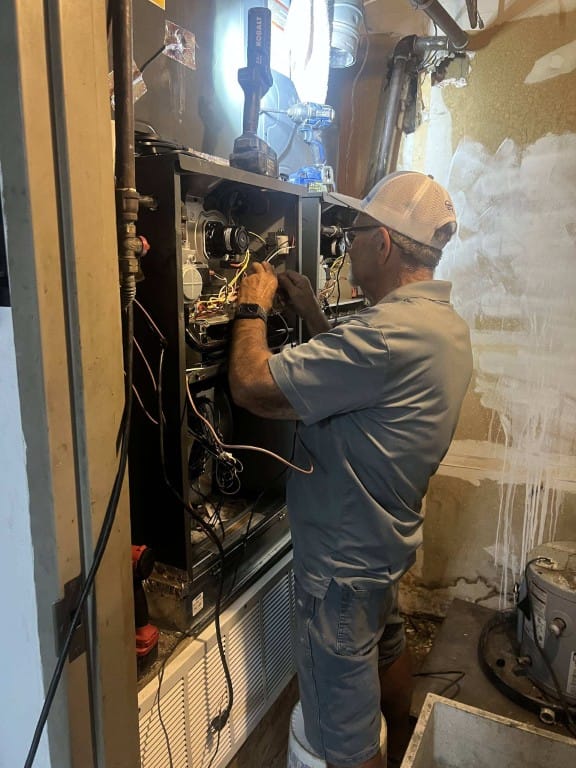
You might feel a little skeptical. Is a tune-up just a guy glancing at your furnace and handing you a bill? It shouldn’t be. A real furnace maintenance visit is a hands-on, step-by-step check of the parts that keep your family warm and safe.
Here’s what a thorough visit covers and why each step matters to a parent.
| What the Tech Checks | What They Do | Why It Matters for Your Family |
|---|---|---|
| Heat exchanger | Looks for cracks, rust, and soot | Cracks can leak carbon monoxide into the house |
| Flue and venting | Checks that exhaust flows outside freely | Blocked vents push fumes back inside |
| Flame sensor | Cleans off buildup | A dirty sensor is a top cause of the furnace shutting off in the middle of the night |
| Burners and ignition | Cleans and tests for a steady, clean flame | Weak or uneven flames waste gas and can make more CO |
| Blower motor and belt | Cleans, tests, and checks for wear | Keeps warm air moving to every bedroom, including the nursery |
| Electrical connections | Tightens wires and tests parts | Loose wires cause breakdowns and can be a fire risk |
| Gas pressure and safety switches | Measures and tests shutoffs | Makes sure the furnace turns off safely if something goes wrong |
| Air filter | Checks and replaces if needed | A clogged filter strains the system and hurts air quality |
| Thermostat | Tests that it reads and responds correctly | Your “68” should actually mean 68 |
That flame sensor line is worth a second look. It’s a tiny metal rod, and a thin film of grime on it can make the furnace start, run a few seconds, and quit. Over and over. It’s one of the most common no-heat calls techs see on cold nights. That’s why some homeowners book a separate furnace flame sensor cleaning when their system starts acting up.
What You Can Handle Yourself (and Where to Stop)
Good news: you don’t need a toolbox to make a real difference. A few habits go a long way.
The Five-Minute Filter Habit
Check your furnace filter once a month during heating season. Hold it up to the light. Can’t see through it? Swap it. Most homes need a new filter every one to three months. Homes with pets, allergies, or a lot of dust may need it more often.
Here’s a parent trick: set a phone reminder for the same day you buy diapers or wipes. Easy to remember, hard to skip.
The Kid-Proof Furnace Check Most Guides Skip
This is where families with little ones have their own to-do list. Walk your house with a kid’s eye.
Is a crib, dresser, or toy bin sitting on top of the nursery’s floor vent? That room will always run colder, and parents often blame the furnace. Are stuffed animals, art supplies, or laundry piled near the furnace closet? Keep at least three feet clear around the unit. Did a curious toddler close the vents in one room? Closing too many vents can make the system work harder, not smarter.
Also, check the outdoor exhaust pipe after a storm. Leaves, a stray ball, or a bird’s nest can block it.
Where DIY Stops
Look, YouTube makes everything look simple. But anything involving gas lines, wiring, or the heat exchanger belongs to a licensed pro. The exception is the filter and the clutter check above. Those are all yours.
And please skip the space-heater-as-backup plan if you can. Space heaters near beds, curtains, and curious hands are a real fire and burn risk. Fixing the furnace is the safer path.
Warning Signs Your Furnace Is Asking for Help
Your furnace usually drops hints before it quits. The trick is knowing what to listen for.
A burning-dust smell the first time you turn on the heat each fall is normal. It should fade within an hour. But a smell like rotten eggs means possible gas. Get everyone out and call your gas company from outside. That one isn’t a “wait and see.”
Other red flags include banging, squealing, or rattling sounds. Watch for a yellow flame instead of a steady blue one, short cycles where the furnace starts and stops every few minutes, or one bedroom that’s always colder than the rest. A sudden jump in your gas bill is another clue. So are headaches that get better when you leave the house.
If you notice any of these, it’s time for furnace repair, not just a tune-up. And if your furnace is 15 years old or more and keeps needing fixes, ask an honest tech whether repair still beats replacement.
When Is the Best Time to Schedule Furnace Maintenance?
Early fall wins, hands down. Book it before your first chilly night, not after.
Here in DeSoto County, winters are mostly mild. That’s actually the trap. A lot of families skip the tune-up because the furnace barely runs, then a cold snap rolls in from the north. Suddenly everyone in Hernando, Nesbit, and Olive Branch is calling for help on the same freezing morning. Getting ahead of that rush means shorter waits and a calmer winter.
Got a heat pump instead of a gas furnace? It still needs a check. Heat pumps work year-round, so they usually need service twice a year. Learn more on our heat pump page.
Why One Call Beats Juggling Three Contractors
Here’s what matters most when you’re a busy parent: you don’t have time to play phone tag.
Furnace problems don’t always stay in their lane. A furnace that won’t start might have a tripped breaker or a bad circuit. That’s electrical work. A gas furnace sits close to your water heater and gas piping. That’s plumbing. With a lot of companies, you’d end up calling two or three different contractors, and each one points at the other.
That’s where RW Heating, Air, Plumbing & Electrical is different. We hold all three licenses—heating and air, plumbing, and electrical—under one roof. One call. One crew. Done right.
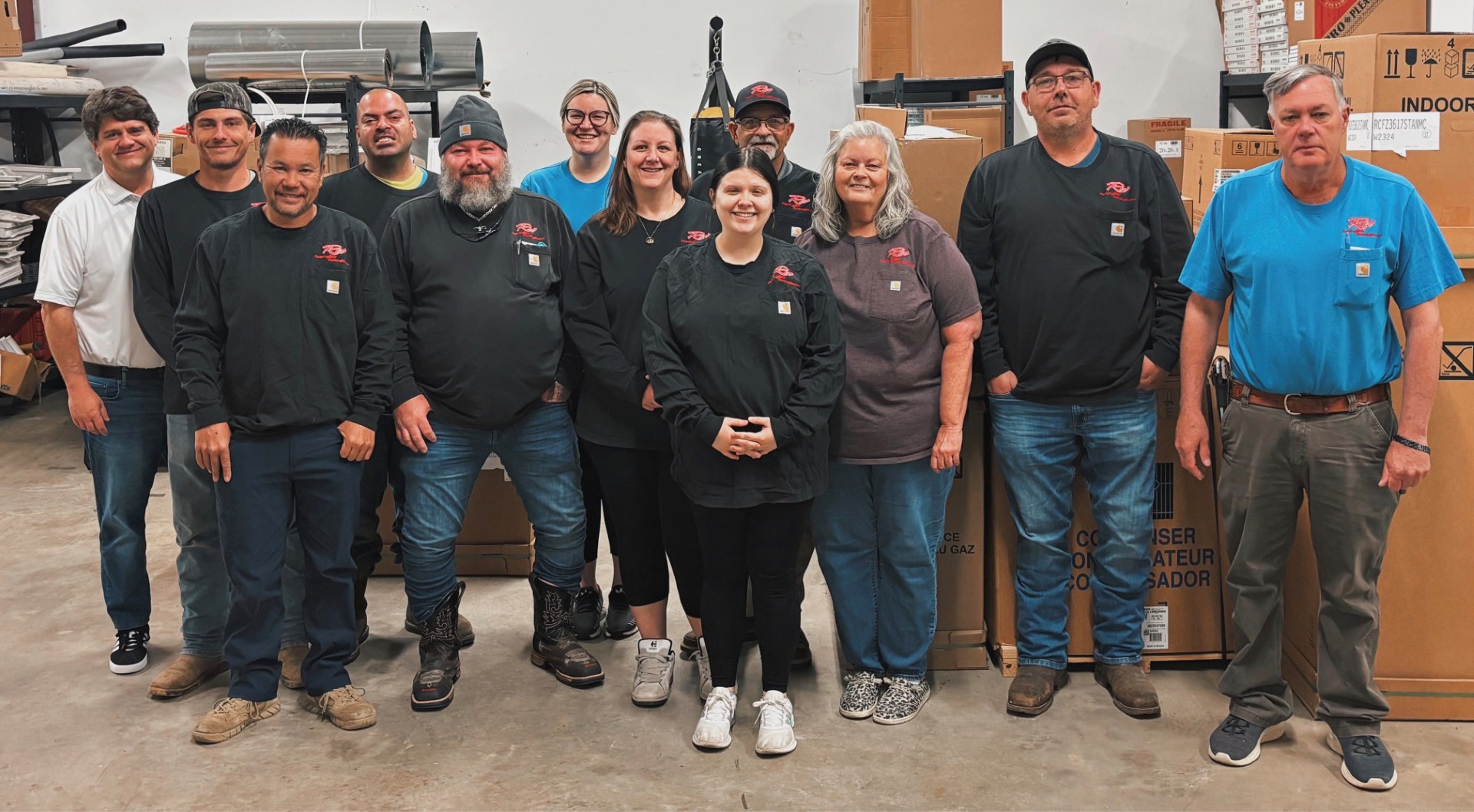
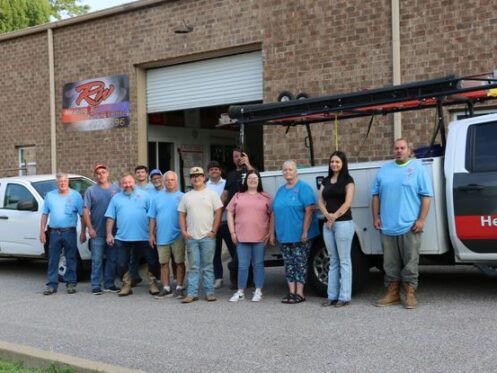
We’re a family-owned company based on Old Hwy 51 in Nesbit, and we’ve cared for DeSoto County homes since 1999. Our techs are NATE-certified, and we’re a Carrier Factory Authorized Dealer. More to the point, they’re your neighbors. They know what a Mississippi cold snap does to a furnace that skipped its checkup. You can meet the team before anyone ever knocks on your door.
Want to stop thinking about it every fall? The RW Comfort Club handles your seasonal tune-ups for you, with priority scheduling when things go wrong. For busy parents, that’s one less thing on the mental list.
Frequently Asked Questions
How often does a furnace need maintenance?
Once a year, ideally in early fall before you need steady heat. Families with babies, allergies, or a furnace over 10 years old should treat that yearly visit as a must, not a maybe. Heat pumps usually need service twice a year because they heat and cool.
Can I skip a year if my furnace seems fine?
You can, but “seems fine” is the problem. Cracked heat exchangers and dirty flame sensors rarely show signs until something fails. Also, many manufacturers expect yearly professional maintenance to keep the warranty valid, so check your paperwork before skipping.
Does furnace maintenance really lower my energy bill?
It usually helps. A clean burner, clear filter, and well-tuned blower let the furnace heat your home without running longer than it needs to. The bigger payoff for parents, though, is fewer surprise breakdowns on the coldest nights.
What’s the difference between a tune-up and a repair?
A tune-up is a planned checkup that cleans, tests, and catches small problems early. A repair fixes something that’s already broken. At RW Heating, Air, Plumbing & Electrical, our techs tell you plainly what they found and what it costs, so you can decide without any pressure.
Sleep Easy This Winter (Yes, Even the Baby)
Let’s bring it home. Young kids feel the cold faster and can’t tell you when something’s wrong. A yearly furnace tune-up checks the parts that cause CO leaks and midnight breakdowns. Your part is simple: change the filter, clear the clutter, keep vents open, and test those CO alarms.
The best part? You don’t have to wait for a cold, dark morning to find out your furnace needs help.
Call RW at 662-429-2590 or schedule your furnace maintenance online. Call before 10 AM for same-day service. Then go enjoy a warm, quiet winter with your family. You’ve earned it.