The Night the Whole House “Got the Flu”
It’s the first cold night of the year. You flip the thermostat to heat, tuck the kids in, and hear the furnace kick on for the first time since March. There’s a dusty, burning smell, but that’s normal. Right?
Two days later, everyone has a headache. Your toddler is cranky and won’t eat. Your oldest feels dizzy. You figure a bug is going around.
Here’s the thing. That “bug” might not be a bug at all. Carbon monoxide (CO) poisoning often looks just like the flu, and it hits families hardest in the first weeks of heating season.
If you’ve got little ones at home, that thought can make your stomach drop. We get it. This guide covers how furnace maintenance protects your family, what a real tune-up checks, the warning signs most parents miss, and why homes in DeSoto County face risks that the national advice skips over.
Why Carbon Monoxide Scares Parents (and Why It Should)
CO is a gas you can’t see, smell, or taste. Your gas furnace makes it every time it burns fuel. A healthy furnace sends that gas safely up and out through the flue. A neglected one may not.
The CDC reports that more than 400 Americans die from accidental CO poisoning each year. Tens of thousands more end up in the emergency room. Many of those cases start with a home heating system.
Small Bodies, Bigger Risk
Kids aren’t just small adults. They breathe faster and take in more air for their body size, so CO can build up in their blood faster than in yours. Babies and toddlers also can’t tell you they feel “off.” They just get fussy, sleepy, or sick to their stomach.
That’s what makes this so frightening. The person most at risk is often the one least able to warn you.
The Clue Most Parents Miss
Want to know the biggest red flag? Pay attention to where your family feels sick.
If headaches fade when the kids are at school or daycare and come back at home, that’s a pattern worth acting on. Same goes for when everyone, including the dog, feels sick at once with no fever. Real flu doesn’t care what building you’re in. CO does.
What Furnace Maintenance Actually Checks
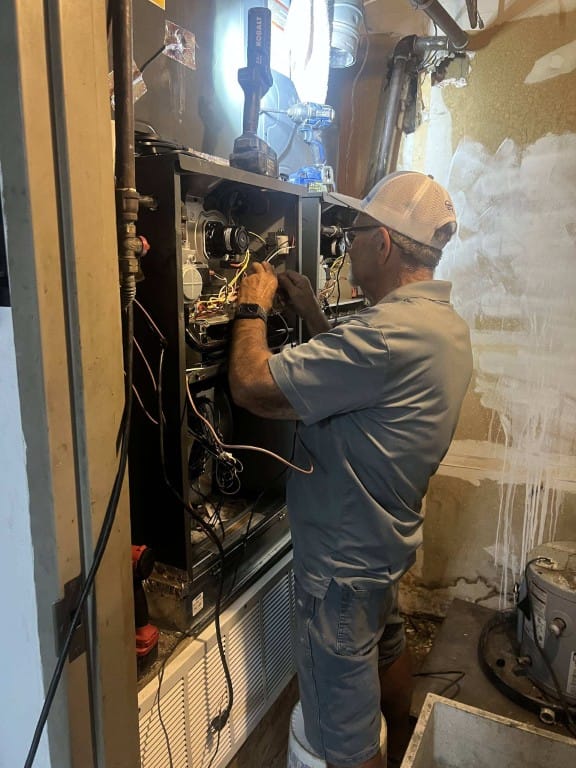
You might picture a tune-up as someone swapping a filter and leaving. A real safety inspection goes much deeper. At RW Heating, Air, Plumbing & Electrical, our NATE-certified techs treat every furnace visit like a safety check first and a comfort check second.
The Heat Exchanger: Your Family’s Invisible Shield
The heat exchanger is a metal chamber that keeps burning gas apart from the air you breathe. When it cracks, combustion gases can leak into the airflow that goes straight to the kids’ rooms.
Cracks start tiny. Years of heating up and cooling down make the metal expand and shrink until it splits. You won’t see it without taking panels off and using a light, a mirror, or a camera. That’s a job for a trained pro.
The Flue and Venting
Your flue pipe is the exhaust pipe for your furnace. If it’s loose, rusted, blocked, or sloped wrong, CO can spill back into your home instead of leaving it.
Birds, wasps, and leaves love empty flue pipes during a long summer. One nest is enough to cause trouble.
The Burners and Flame
A healthy gas flame burns mostly blue. A lazy yellow or orange flame can mean poor combustion, which can produce more CO. Your tech should check the flame, clean the burners, and test how the furnace is burning fuel.
Some problems don’t show up with eyes alone. That’s why a combustion test with proper tools matters. It measures what’s really coming out of the furnace, not what looks fine.
The DeSoto County Twist Nobody Talks About
Most furnace advice online is written for places like Minnesota. But homes in Hernando, Nesbit, Olive Branch, and Southaven have their own quirks, and they matter.
Your Furnace Sleeps Most of the Year
Our winters are short. That means your furnace may sit unused for eight months or more. Dust settles on the burners. Pests move into the vents. Parts that haven’t moved since spring suddenly have to fire up on the first chilly night.
That “first-fire” moment is exactly when problems show up. So schedule furnace maintenance in early fall, before the cold snap, not after.
The Attic and Closet Problem
Many Mid-South homes put the furnace in a hot attic or a hall closet, often right next to bedrooms. In summer, attic heat can climb well past 120 degrees. That heat wears down wiring, seals, and parts over time.
There’s another hidden issue. In many homes, the AC’s indoor coil sits right on top of or beside the furnace. When the AC drain clogs or drips, water can fall onto the furnace and rust the heat exchanger. So a summer AC problem can quietly turn into a winter CO risk.
This is where a team with all three trade licenses earns its keep. Since RW Heating, Air, Plumbing & Electrical handles heating, air, plumbing, and electrical under one roof, one visit can catch the drain line, the furnace, and the wiring problems together. No juggling three contractors. No finger-pointing.
DIY vs. Pro: Who Should Do What?
You can do a lot to help. But some jobs need a trained eye and the right tools. Here’s an honest breakdown.
| Task | Who Should Do It | How Often | Why It Matters for Kids |
|---|---|---|---|
| Change the air filter | You | Every 1–3 months | A clogged filter makes the furnace overheat, which stresses the heat exchanger |
| Test CO detectors | You | Monthly | Your only alarm if something goes wrong at night |
| Keep vents and returns clear of toys | You | Ongoing | Blocked airflow strains the system |
| Keep storage away from the furnace | You | Ongoing | Clutter can block air the furnace needs to burn safely |
| Inspect the heat exchanger for cracks | Licensed pro | Every year | Cracks can leak combustion gases into the air |
| Check flue and venting | Licensed pro | Every year | Blocked or loose pipes can push CO back inside |
| Test combustion and gas pressure | Licensed pro | Every year | Confirms the furnace burns fuel cleanly |
| Clean the flame sensor and burners | Licensed pro | Every year | Prevents misfires and unsafe burning |
Look, that filter swap is the single easiest thing you can do. Set a phone reminder. If you have pets or kids with allergies, lean toward the shorter end of that range.
CO Detectors: Your Backup Plan, Not Your Only Plan
Detectors save lives. But they’re the smoke alarm, not the fire prevention. Furnace maintenance stops the leak. A detector only tells you after it’s started.
Put a CO detector on every level of your home and outside every sleeping area. If your furnace closet sits beside a kid’s bedroom, place one near that bedroom door.
Here’s what surprises a lot of parents. CO detectors wear out. Most last somewhere between five and ten years, and many will chirp when they’re done. Flip yours over and check the date on the back. If you can’t remember when you bought it, replace it.
Not All Detectors Are Equal
Plug-in detectors stop working when the power goes out unless they have a battery backup. And power outages are exactly when families pull out generators and space heaters. Choose models with battery backup, or go hardwired with your electrician.
Warning Signs You Shouldn’t Ignore
Some problems give hints before they become dangerous. It’s frustrating to guess, so here are the big ones.
A yellow or flickering burner flame. Soot or black streaks around the furnace or vent. Lots of moisture on windows near the furnace. A furnace that keeps shutting off and restarting. A sharp, strange smell that doesn’t fade after the first few minutes of the season.
The exception is that first-of-season dusty smell. That’s usually just dust burning off and should clear in an hour or so. If it lingers, call.
When to Get Out Right Away
If your CO alarm goes off, don’t investigate. Get everyone out, kids and pets first, into fresh air. Then call 911 from outside. Don’t go back in until responders say it’s safe.
And please, never warm the house with a gas oven or run a generator in the garage, even with the door open. These are some of the most common ways families get hurt during winter outages.
How Old Is Too Old?
Most gas furnaces last around 15 to 20 years with good care. Past that, the heat exchanger has been through thousands of heat cycles. Cracks become more likely.
That doesn’t mean you have to replace your furnace on its 15th birthday. But an older unit deserves a closer look every year. A good tech will tell you straight whether repair still makes sense or whether you’re pouring money into a system that’s aging out.
If you do need a new system, RW Heating, Air, Plumbing & Electrical is a Carrier Factory Authorized Dealer and offers furnace installation along with financing options so safety doesn’t have to wait for a better month. You can also check current special offers before you book.
Make It Automatic With a Maintenance Plan
Let’s be honest. Life with kids is busy. Remembering a furnace tune-up falls somewhere below soccer sign-ups and that school project due tomorrow.
That’s why a membership plan makes sense for busy families. RW’s Comfort Club covers seasonal tune-ups and priority scheduling, so the reminder comes to you. You can read more about how the maintenance plan works before you sign up.
One less thing to track. One more layer of safety for the people you love most.
Frequently Asked Questions
How often should a family with young kids get furnace maintenance?
Once a year, every year, ideally in September or October. In DeSoto County, the furnace sits idle most of the year, so the fall check catches dust, pests, and rust from summer AC drainage before the first cold night. Families with babies or anyone with asthma shouldn’t skip a year.
Can a furnace leak carbon monoxide even if it seems to work fine?
Yes. A furnace can heat your home perfectly while a cracked heat exchanger or blocked flue lets CO escape. Comfort and safety aren’t the same thing. Only an inspection with combustion testing tells you what’s really going on inside.
Does a furnace that’s in the attic or a closet need different care?
It often needs closer attention. Attic furnaces bake in summer heat, which wears down parts faster. Closet furnaces sit closer to bedrooms and need clear space to pull in air. In both cases, the AC coil is often stacked with the furnace, so a clogged condensate drain can rust furnace parts. A team licensed in both HVAC and plumbing can check both at once.
Will a CO detector protect my kids if I skip maintenance?
A detector warns you after CO is already in the air. Maintenance prevents the leak to begin with. You want both. Think of the detector as your seatbelt and the tune-up as keeping your brakes working.
Sleep Easy This Winter
Here’s what matters most. Carbon monoxide is quiet, but it isn’t random. Most furnace-related CO problems come from cracks, blockages, and poor burning that a yearly inspection can catch early.
So change your filter. Test your detectors. Know the “feels better away from home” warning sign. And book your furnace maintenance before the first cold snap, not after.
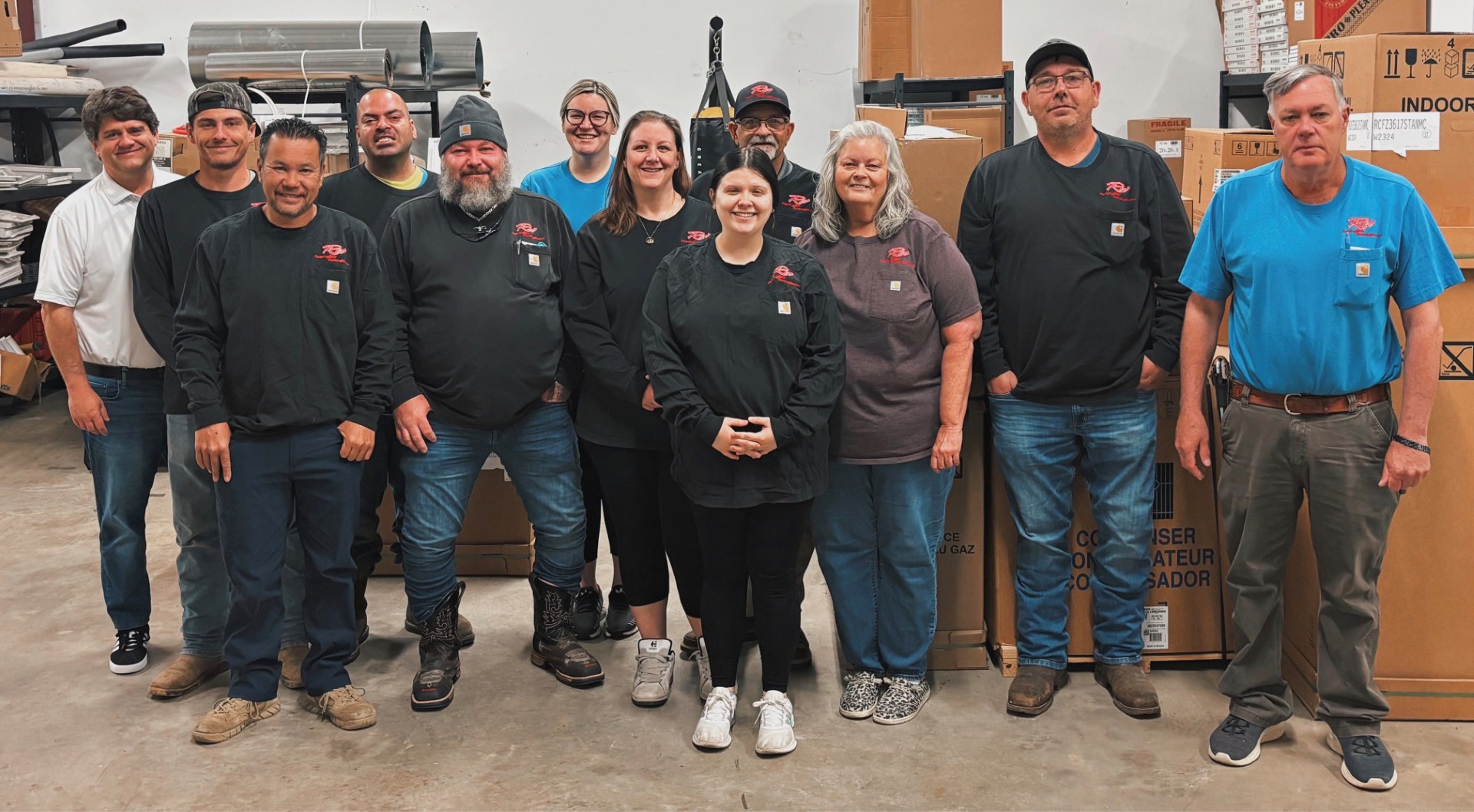
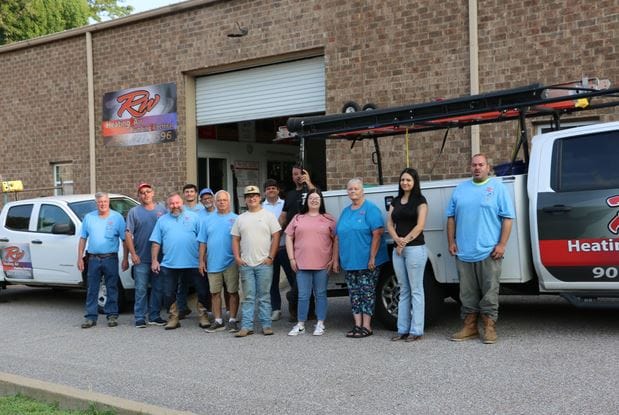
RW Heating, Air, Plumbing & Electrical has been keeping DeSoto County families safe and warm since 1999. We’re a family-owned team based right here in Nesbit, and our techs are local folks who treat your home like their own. One call. One crew. Done right.
Ready for peace of mind? Schedule your furnace safety check or call 662-429-2590. Call before 10 AM for same-day service, and remember we’re available 24/7 for emergencies. If your furnace is already acting up, our furnace repair team can help today.