Is Your Old Furnace Trying to Tell You Something?
It’s the first cold night of the year. You flip the thermostat to “heat,” and… nothing. Or maybe it kicks on with a bang, a weird smell, and a groan that sounds like it’s on its last leg.
Sound familiar?
If your furnace is 12, 15, or even 20 years old, you’ve probably asked yourself the same question every fall. Should I fix this thing again, or is it time to buy a new one? It’s frustrating. Nobody wants to pour money into a dying unit. But nobody wants to drop thousands on a new system too early, either.
Here’s the good news. Regular furnace maintenance does more than keep you warm. It gives you the facts you need to make that call with confidence. In this guide, you’ll learn what a good tune-up really checks, the warning signs that matter most, a simple math rule for repair-or-replace choices, and how to stretch the life of an older furnace.
What Furnace Maintenance Really Does for an Older Unit
Look, a lot of people think a tune-up is just someone swapping a filter and waving a flashlight around. A real inspection goes much deeper than that.
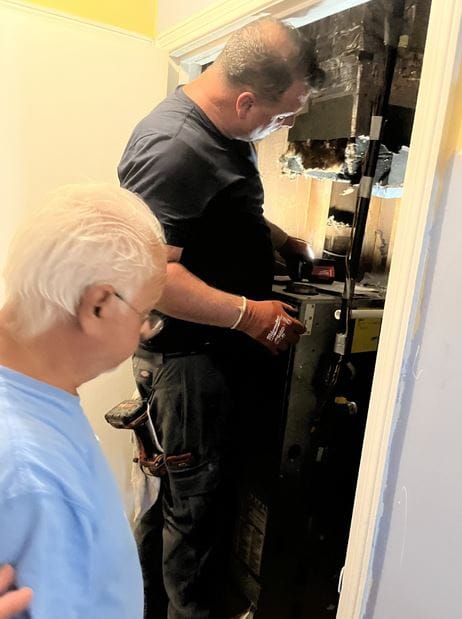
A trained tech cleans parts that wear out from dust and heat. They test safety controls. They check how hard the blower motor is working. And on gas furnaces, they look closely at the one part that matters most for your family’s safety: the heat exchanger.
The Hidden Payoff: A “Health Report” for Your Furnace
Here’s the thing most homeowners miss. Every maintenance visit creates a record. Over a few years, that record tells a story.
Is the blower pulling more power each year? Are the burners getting dirtier faster? Has the same part failed twice? Those trends are gold when you’re trying to decide what to do next. Without them, you’re guessing. With them, you’re making a smart choice based on real numbers.
At RW Heating, Air, Plumbing & Electrical, our techs walk you through what they found, not just what they fixed. That way, you’re never left wondering where your system stands.
Small Parts, Big Headaches
Some of the most common “no heat” calls come from tiny, cheap parts. A dirty flame sensor is a classic example. When it gets coated with grime, it can’t tell that the burner is lit. So the furnace shuts itself off for safety. Over and over.
It’s maddening. Your house gets cold, and you assume the whole system is failing. In reality, a quick cleaning during routine maintenance would have stopped the problem before it started.
Warning Signs Your Aging Furnace Needs Attention Now
Not every noise means disaster. But some signs deserve a call right away. Let’s break them down.
Sounds and Smells You Shouldn’t Ignore
A soft hum is normal. Loud banging, screeching, or rattling isn’t. Banging often points to delayed ignition, where gas builds up before it lights. Screeching can mean a worn motor bearing or belt.
Smells matter too. A dusty, burning smell on the first cold day is usually just dust burning off. That’s fine. But a smell like rotten eggs? Leave the house and call your gas company. That’s a possible gas leak, and it’s an emergency.
The Silent Red Flags
Some problems don’t make noise at all. Your energy bills creep up even though you haven’t changed how you use the heat. Some rooms stay chilly while others feel stuffy. Your furnace turns on and off in short bursts, which techs call “short cycling.”
And here’s what matters most. If the burner flame looks yellow or flickers instead of burning a steady blue, that can point to a combustion problem. It may also mean carbon monoxide risk. Make sure you have working CO detectors in your home, and get the furnace checked quickly.
Repair or Replace? A Clear Way to Decide
This is the big one. You might feel stuck, because every repair quote feels like a gamble. Let’s take some of the guesswork out of it.
The $5,000 Rule (and When It Breaks)
Many HVAC pros use a simple formula. Multiply the age of your furnace by the cost of the repair. If the number is more than $5,000, replacement usually makes more sense.
Say your furnace is 16 years old and needs a $400 repair. That’s 16 × $400 = $6,400. Time to think hard about replacing it. Now say it’s 8 years old and needs the same $400 fix. That’s $3,200. Repair it and move on.
But this rule doesn’t work if the problem is a cracked heat exchanger. The exception is safety. A cracked heat exchanger can leak carbon monoxide into your home. On an older furnace, that repair is often so costly that replacement is the smarter and safer choice, no matter what the math says.
A Quick Comparison to Guide You
Here’s a simple way to look at your options. Use it as a starting point, then talk with a licensed tech about your actual system.
| Factor | Lean Toward Repair | Lean Toward Replace |
|---|---|---|
| Furnace age | Under 12 years | 15–20+ years |
| Repair cost | Less than 1/3 the price of a new unit | Half or more the price of a new unit |
| Repair history | First major repair in years | Two or more big repairs in 2 years |
| Energy bills | Steady year to year | Climbing each winter |
| Heat exchanger | Passes inspection | Cracked or corroded |
| Comfort | Even heat in every room | Hot and cold spots, short cycling |
| Parts | Easy to find | Discontinued or hard to get |
If most of your answers land in the right column, it’s probably time to look at furnace installation. If most land on the left, a solid furnace repair and steady maintenance can buy you several more good years.
Why Our Mild Winters Change the Math
Here’s an angle you won’t find in most national articles. In DeSoto County, winters are fairly short and mild compared to places like Chicago or Minneapolis. Your furnace simply doesn’t run as many hours each year.
What does that mean for you? Two things. First, a well-kept furnace here can often last longer than the national average. Age alone isn’t a death sentence. Second, paying a big premium for the most efficient furnace on the market may take a long time to pay off, since you’re not burning as much gas.
But wait, there’s a twist. Many local homes use a heat pump paired with a gas furnace as backup. If your AC is also old, replacing both at once can save on labor and give you a matched system. That’s why it pays to look at your whole home, not just one box in the garage.
How to Get More Years Out of an Aging Furnace
So you’ve decided to keep your furnace for now. Great. Here’s how to protect that choice.
What You Can Do at Home
Change your air filter every one to three months. Seriously, this is the cheapest furnace insurance there is. A clogged filter makes the blower work harder, traps heat inside the unit, and can even cause it to overheat and shut down.
Keep the area around your furnace clear. Don’t stack boxes, paint cans, or laundry next to it. And make sure the supply and return vents in each room aren’t blocked by furniture or rugs.
What Needs a Pro
Some jobs just aren’t DIY. Testing gas pressure, checking the heat exchanger for cracks, measuring carbon monoxide, and inspecting electrical connections all take training and special tools. A mistake here isn’t just costly. It can be dangerous.
That’s where a yearly professional tune-up comes in. Fall is the best time, before the first cold snap brings a rush of emergency calls.
Take the Guesswork Out With a Plan
The easiest way to stay on track is to not have to remember at all. Our Comfort Club handles scheduled tune-ups for you, gives members priority service, and offers member pricing on repairs. You’ll also build that valuable health report year after year, so the repair-or-replace decision is never a shot in the dark.
Why a Local, Multi-License Team Makes a Difference
Here’s something many homeowners don’t think about until it’s too late. Furnace problems don’t always stay in their lane.
A new high-efficiency furnace might need a new electrical circuit. An older gas furnace might share a flue with your water heater, and changing one can affect the other. When you call three different contractors, you get three schedules, three bills, and sometimes a lot of finger-pointing.
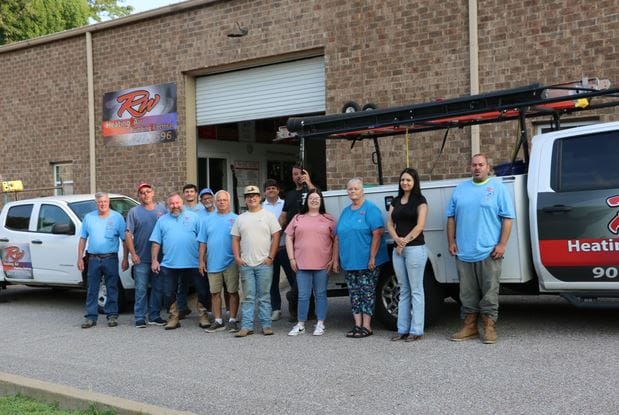
RW Heating, Air, Plumbing & Electrical holds all three licenses under one roof: HVAC, plumbing, and electrical. One call. One crew. Done right. We’re family-owned and based right here in Nesbit, and we’ve been taking care of DeSoto County homes since 1999. Our NATE-certified techs will give you straight talk, upfront pricing, and an honest opinion on whether a repair is worth your money.
Frequently Asked Questions
How often should I schedule furnace maintenance?
Once a year is the standard, ideally in early fall. If you have a heat pump with a furnace backup, plan on two visits: one in spring for cooling and one in fall for heating. Older furnaces benefit the most from sticking to this schedule.
How long does a furnace usually last?
Most gas furnaces last 15 to 20 years. In areas with mild winters like north Mississippi, a well-maintained unit can sometimes go longer because it runs fewer hours. Skipping maintenance can cut that lifespan short by years.
Can maintenance really prevent a breakdown?
It can’t stop every problem, but it catches many of them early. Dirty flame sensors, worn belts, weak capacitors, and loose wires are common causes of winter breakdowns. All of them are easy to spot and fix during a routine tune-up.
Is it worth maintaining a furnace I plan to replace soon?
Yes, especially if “soon” means a year or two. A tune-up keeps the unit safe, checks for carbon monoxide risks, and helps you avoid a surprise breakdown in January. It also gives you real data to time your replacement on your terms, not the furnace’s.
Stop Guessing and Start Planning
Here’s the bottom line. An aging furnace doesn’t have to be a source of stress every fall. Yearly furnace maintenance gives you a clear picture of your system’s health. The $5,000 rule and our comparison table give you a simple way to weigh repair against replacement. And safety issues, like a cracked heat exchanger, always come first.
You don’t have to figure this out alone. RW Heating, Air, Plumbing & Electrical is ready to inspect your furnace, walk you through what we find, and give you honest options. Call us at 662-429-2590 or contact us online to schedule your tune-up today. Call before 10 AM, and we can often be there the same day.