You Got the Keys. Now Who Checks the Furnace?
The boxes are still half unpacked. The first cold snap hits. You flip the thermostat to heat and smell something like burning dust. Is that normal? Is it dangerous? And who are you even supposed to call?
If you just bought a home, you’re not alone in that moment. Moving to a new house means you lost your old “guy” for everything. You don’t know which local company is honest and which one will try to sell you a $9,000 system you don’t need. That’s frustrating, and a little scary.
Here’s the good news. Furnace maintenance isn’t complicated once you know what it covers. This guide walks you through what a real tune-up includes, what you can safely do yourself, why your home inspection probably didn’t cover it, and how to pick a pro you’ll trust for years.
Your Home Inspection Didn’t Check What You Think
Most new owners assume the furnace got a clean bill of health at closing. It usually didn’t. A home inspector’s job is a visual check. They’ll turn the heat on, see that warm air comes out, and note the unit’s age.
But here’s the thing. Most inspectors don’t pull the burner panel, test for carbon monoxide in the flue, or look closely at the heat exchanger. That’s not a knock on them. It’s just not what a home inspection is built to do.
So if the sellers can’t hand you service records, treat the furnace as a mystery. You don’t know when the filter was last changed. You don’t know if anyone has looked inside in five years. Sound familiar?
What a Real Furnace Tune-Up Covers
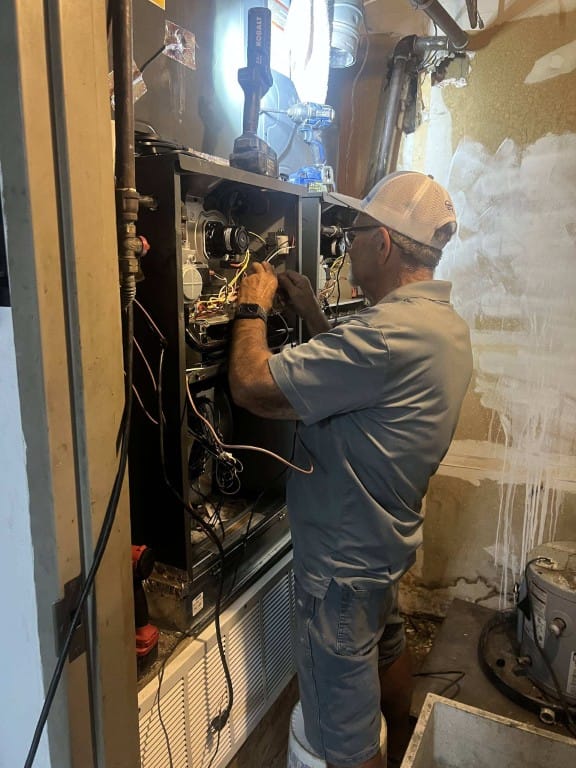
A proper furnace maintenance visit goes inside the cabinet. A trained tech checks the parts that wear out quietly, long before anything stops working.
That means cleaning the burners and the flame sensor. A dirty flame sensor is one of the most common reasons a furnace lights, runs for a few seconds, and shuts off. It also means inspecting the heat exchanger for cracks, testing the igniter, and making sure the flue is venting gases outside the way it should.
The tech should also tighten electrical connections, check the blower motor, and test your safety switches. Those switches are what shut the furnace down if something goes wrong. You want them working.
Why DeSoto County Furnaces Need Extra Attention
Look, our winters are short. That sounds like a good thing for your furnace, and in some ways it is. But it creates a problem most guides miss.
Around here, a furnace can sit idle for seven or eight months while the AC does all the work. Dust settles on the burners. Spiders and mud daubers move into the vents. And because many local homes have the furnace in the attic, it bakes through a Mississippi summer next to the AC coil and drain pan.
Then one chilly morning in November, everything has to fire up at once. That first startup is when weak parts fail. It’s also when that burning-dust smell shows up. A little of it for a few minutes is normal. A smell that lingers, or anything that smells like rotten eggs, is not. If you ever smell gas, leave the house first and call your gas company from outside.
What You Can Do Yourself (and Where to Stop)
You don’t need to be handy to keep your furnace happy between visits. A few simple habits go a long way. But some jobs belong to a licensed pro, and it’s worth knowing exactly where that line sits.
| Task | Who Does It | How Often | Why It Matters |
|---|---|---|---|
| Change the air filter | You | Every 1 to 3 months | A clogged filter chokes airflow and makes the furnace overheat |
| Keep vents and returns clear | You | Ongoing | Blocked vents create cold rooms and strain the blower |
| Test carbon monoxide detectors | You | Monthly; new batteries yearly | Your best early warning for a venting problem |
| Clear storage away from the unit | You | Before heating season | Boxes and paint cans near a burner are a fire risk |
| Clean burners and flame sensor | Pro | Once a year | Prevents short cycling and no-heat calls |
| Inspect the heat exchanger | Pro | Once a year | A crack can leak carbon monoxide into your home |
| Test gas pressure and venting | Pro | Once a year | Keeps combustion safe and efficient |
| Check wiring and safety switches | Pro | Once a year | Makes sure the furnace shuts down if something fails |
Here’s what matters most. Filter changes are the single biggest thing you control. If you have pets, or the house was just renovated, check it monthly.
The exception is anything behind a panel that needs a screwdriver. Gas, flame and high-voltage parts are not a YouTube project. If something seems off, book a furnace repair visit instead of guessing.
One more tip. Write the filter size on the side of the unit with a marker. Future you will be grateful at the hardware store.
New in Town? How to Spot a Company Worth Trusting
This is the part that keeps new homeowners up at night. You search “furnace maintenance near me” and get a wall of ads, coupons and five-star claims. They all look the same. So how do you choose?
Start with a simple test. Ask what’s on the tune-up checklist before anyone comes out. A good company will tell you plainly, in writing. If the answer is vague, that’s your first clue.
The $49 Tune-Up Trap
You might feel tempted by the cheapest tune-up you can find. Totally understandable. Moving is expensive.
But some rock-bottom tune-ups exist mainly to get a salesperson in your house. Twenty minutes later, you’re hearing that your “dangerous” furnace needs replacing today. Your heart sinks. You just spent your savings on a down payment.
Here’s how to protect yourself. Ask the tech to show you the problem, with a photo or in person. Ask whether a repair makes more sense than a new system. An honest pro will give you real options, not a deadline.
Questions That Separate the Pros From the Pretenders
Ask if their technicians are licensed and certified, and whether they test for carbon monoxide during every visit. Ask how long they’ve served your town. And ask who you can call if something goes wrong after they leave.
That last one matters more than you’d think. With a big call-center brand, you may never speak to the same person twice. With a local, owner-run shop, you can usually reach someone who actually answers for the work.
Finally, read reviews for patterns, not stars. Do people mention techs by name? Do they say the crew showed up when promised? Those small details tell you more than any badge on a website.
One Call, One Crew: Why Locals Lean on RW
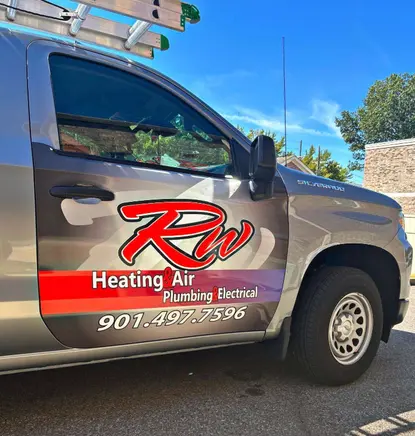
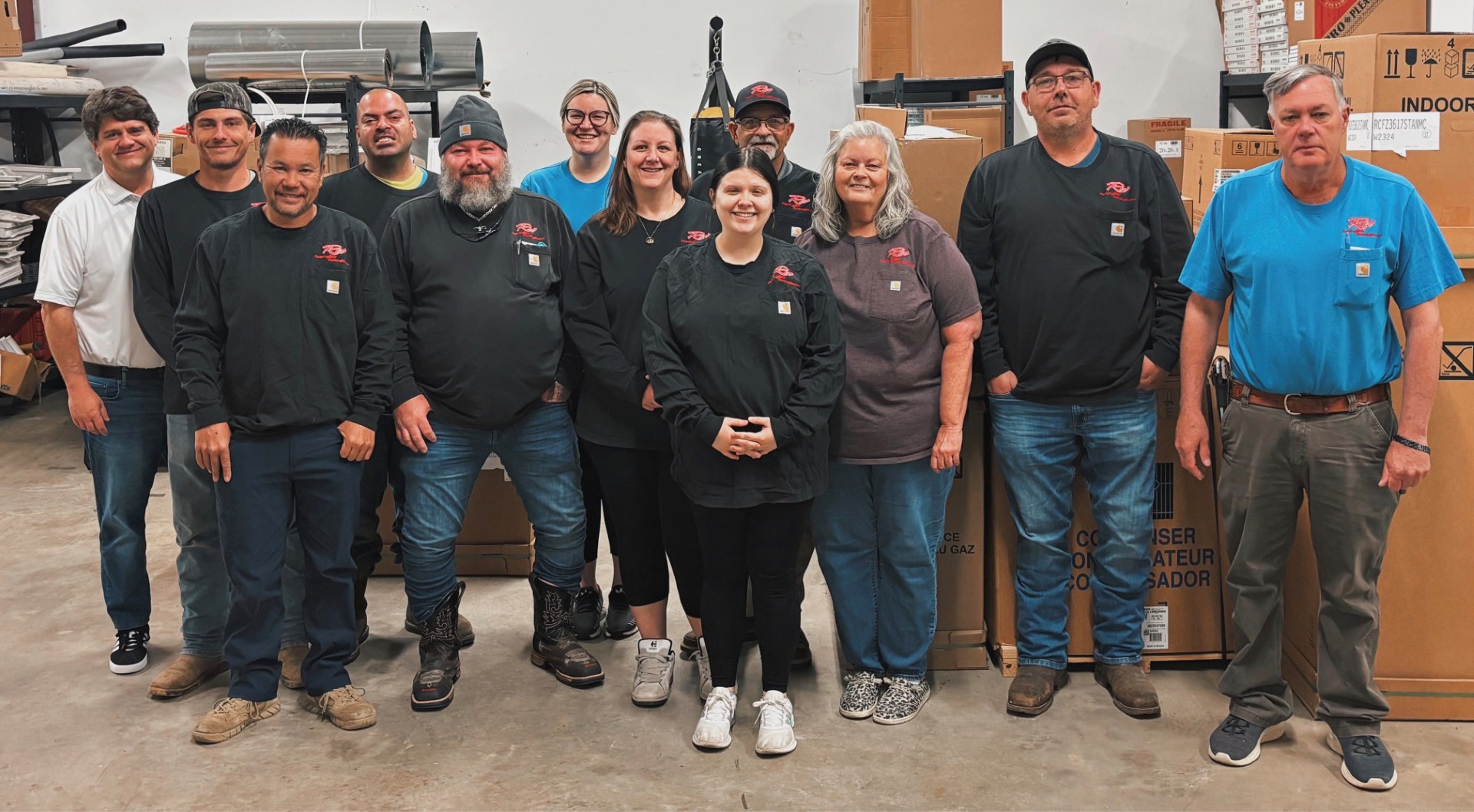
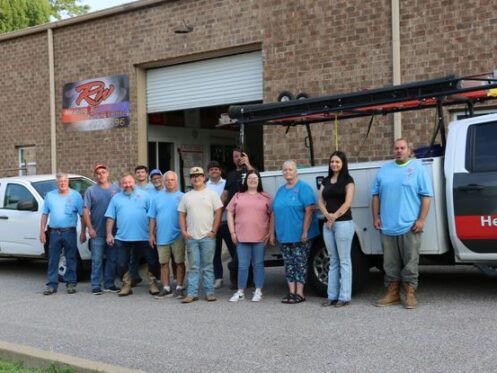
Since 1999, RW Heating, Air, Plumbing & Electrical has been the family-owned team DeSoto County homeowners call when they want it done right. We’re based on Old Hwy 51 in Nesbit. Our techs are local, and they live in the same neighborhoods they work in.
What makes us different? We hold all three licenses under one roof: heating and air, plumbing, and electrical. That matters more for new homeowners than you might expect.
Say your tech finds a scorched wire at the furnace, or a water heater flue that’s venting poorly next to it. With most companies, that’s a second appointment with a second contractor. With RW Heating, Air, Plumbing & Electrical, it’s the same crew, the same visit and one bill. No finger-pointing between companies. Just one call, one crew, done right.
Straight Talk, Not Scare Tactics
Our NATE-certified techs explain what they find in plain English. They’ll tell you what’s wrong, what it costs, and whether it’s worth fixing. Sometimes the honest answer is a $15 filter, not a new furnace.
We’re a Carrier Factory Authorized Dealer with an A+ BBB rating. You can read what your neighbors say or learn more about who we are.
Make Maintenance Automatic
New homeowners have a hundred things to remember. Furnace tune-ups shouldn’t be one of them. Our Comfort Club maintenance plan puts your heating and cooling checkups on a regular schedule, so you get a reminder instead of a surprise.
If your home uses a heat pump instead of a gas furnace, we service those too. And if you need help in a hurry, call before 10 a.m. for same-day service. We also offer 24/7 emergency help.
Frequently Asked Questions
How often does a furnace need maintenance?
Once a year, ideally in early fall before the first cold night. In north Mississippi, September through October is the sweet spot. You’ll beat the rush, and any worn parts get replaced before you actually need heat.
I just bought my home. Should I get a tune-up even if the furnace works?
Yes, especially if the sellers have no service records. A working furnace can still have a dirty flame sensor, a weak igniter or a cracked heat exchanger. A first-year tune-up also gives you a baseline, so you know your system’s age, condition and filter size from day one.
Does skipping maintenance void my furnace warranty?
It can. Many manufacturers require proof of regular professional maintenance to honor parts coverage. Keep every service receipt in one folder. If your home is fairly new, check the warranty paperwork or ask your tech to look up the unit’s serial number.
What’s the most common furnace problem you see on the first cold day?
A furnace that lights, runs a few seconds, then shuts off. More often than not, it’s a dirty flame sensor or a clogged filter, not a dying furnace. Both are usually quick, inexpensive fixes, which is exactly why annual furnace maintenance pays for itself.
Warm House, Calm Mind
Buying a home is a big, exciting step. Worrying about whether your furnace will quit on the coldest night shouldn’t be part of it.
So here’s the short version. Your home inspection likely didn’t look inside the furnace. Change your filter every one to three months, and keep your CO detectors working. Then book a professional tune-up every fall, with a local company that shows you the problem and gives you honest options.
That’s the relief of having a home team. When you’re ready, RW Heating, Air, Plumbing & Electrical is here for the furnace and everything else your new house throws at you. Schedule your furnace tune-up online or call 662-429-2590. Just moved in and have questions about your system? Leave a comment below, and we’ll point you in the right direction.