Keys in Hand, Cash Running Low… and Now It’s Getting Cold
You did it. You closed on the house. Then the bills came: movers, curtains, a lawn mower, utility deposits. Your savings account looks a lot thinner than it did a month ago.
Now the first cold snap is on the way. And you’re staring at a furnace you know almost nothing about. Who serviced it last? Is it safe? Will it even turn on?
Sound familiar? You’re not alone. In this guide, you’ll learn what furnace maintenance actually includes, what you can handle yourself for a few dollars, what needs a pro, and how to protect a tight budget from a surprise repair this winter.
Your Home Inspection Didn’t Check What You Think
Here’s the thing most new owners don’t hear at closing. A home inspector usually checks that the furnace turns on and blows warm air. That’s about it.
Inspectors typically don’t pull the burners, clean the flame sensor, or take a close look at the heat exchanger. Many reports just say “recommend service by a licensed HVAC contractor.” That line is easy to skim past when you’re signing a mountain of paperwork.
So “passed inspection” and “maintained” are not the same thing. If the sellers didn’t hand you service records, assume the furnace hasn’t had a checkup in a while.
Hunt Down the Paper Trail (It’s Not Too Late)
Text your real estate agent and ask if the sellers had receipts or a maintenance plan. Then look at the furnace cabinet itself. Many techs leave a dated service sticker right on the side.
Why bother? Because many home warranties, including the ones sellers buy for buyers at closing, can deny a claim if the failure came from lack of maintenance. A dated service record is your proof. Without it, you may be stuck paying out of pocket.
What Furnace Maintenance Actually Includes
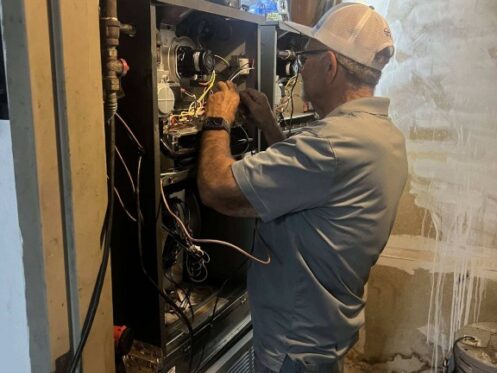
Furnace maintenance is a yearly checkup for your heating system. A trained tech cleans, tests, and adjusts the parts that keep your home warm and your family safe.
On a gas furnace, that means checking the burners and igniter, testing the safety switches, and inspecting gas connections for leaks. The tech also looks at the heat exchanger, the blower motor, the wiring, the thermostat, and the vent pipe that carries exhaust out of your house. It’s part cleaning, part safety check, and part early-warning system.
The Tiny Part Behind a Lot of Cold Nights
Want to know a common culprit? A dirty flame sensor. Over time, it gets coated and can’t “see” the flame anymore. So the furnace starts, runs for a few seconds, and shuts off to stay safe.
It’s a small part. But it can mean a chilly night and an after-hours call. That’s why furnace flame sensor cleaning belongs in every good tune-up.
Heat Pump or Furnace? Check Before You Book
Plenty of homes in DeSoto County heat with a heat pump, or a heat pump paired with a gas furnace. Not sure what you have? Look outside in winter. If the outdoor unit runs while your house warms up, you likely have a heat pump.
This matters. A heat pump needs different checks, like the defrost cycle and the reversing valve. Snap a photo of the unit’s label and share it when you book. That way, the right tech shows up with the right parts.
The Real Math: Tune-Up Now or Breakdown Later?
Money is tight. So let’s be honest about the numbers.
Prices change by home, region, and company. The ranges below are general national estimates, not quotes, but they show the pattern clearly.
| Item | Typical Cost Range | What It Means for You |
|---|---|---|
| Annual furnace tune-up | $80–$200 | Small, planned expense you can budget for |
| Flame sensor or igniter fix | $100–$400 | Often caught early during a tune-up |
| Blower motor replacement | $400–$1,500 | Strain from dirty filters speeds up wear |
| Emergency after-hours visit | Extra fees on top of repair | The coldest night is the priciest night |
| New furnace | $3,000–$7,000+ | The bill every new owner hopes to delay |
Look at that table again. A tune-up won’t make a furnace last forever. But catching a worn igniter in October costs far less than an emergency visit on the coldest weekend in January.
The Exception Nobody Likes to Hear
Here’s what matters, though. Maintenance can’t save every furnace. If yours is 18 to 20 years old and has a cracked heat exchanger, no tune-up will fix that. A cracked heat exchanger can leak carbon monoxide, so it’s a safety issue, not a “wait and see” issue.
A good tech will tell you straight and help you plan. If replacement is on the table, ask about financing options and TVA EnergyRight® rebates before you panic. A planned furnace installation is always cheaper and calmer than an emergency one.
The Cheap Jobs You Can Do This Weekend
Good news. Some furnace care costs almost nothing, and you can do it in your socks.
Start with the air filter. Find the filter slot near the furnace or behind a return grille, and write down the size printed on the edge. Buy a few at once. For the first few months, check it monthly, because move-in dust, pets, and painting can clog it fast. Most homes need a fresh filter every one to three months.
Next, clear the space around the furnace. Moving boxes love to pile up in garages and utility closets. Give the unit room to breathe, and never store paint, gas cans, or cleaning chemicals nearby.
Then test your carbon monoxide detectors. If you have a gas furnace, you need working CO alarms near bedrooms and on every level. Previous owners sometimes take them or leave dead batteries behind.
Finally, run the heat early on a mild day. A burning-dust smell for the first few minutes is normal after a summer off. A smell that hangs around isn’t. And if you ever smell rotten eggs, leave the house right away and call your gas company from outside.
Where DIY Stops
YouTube makes everything look easy. It isn’t. Gas valves, burner compartments, and wiring are not beginner projects, and a mistake can cost far more than a service call. Change the filter, keep things clear, and let a licensed pro handle the rest.
How to Fit Maintenance Into a Post-Closing Budget
You might feel overwhelmed by how many things a new house needs. Here’s a simple way to think about it: spread the cost out so nothing hits all at once.
You have two main paths. You can book a one-time tune-up now, before the first hard freeze. Or you can join a maintenance membership like the Comfort Club, which bundles yearly visits and usually adds priority scheduling when the phones get busy. Either way, check the current specials before you book.
Knock Out Three Unknowns in One Call
Here’s a smart move most new owners miss. Your furnace isn’t the only mystery in the house. You probably don’t know the last time anyone flushed the water heater or looked at the electrical panel either.
When one company holds HVAC, plumbing, and electrical licenses, you can ask about all three at once. Adding water heater maintenance or an electrical safety check means fewer strangers in your home and fewer days off work. That’s real time and money saved.
Why a Local, Three-License Team Makes Life Easier
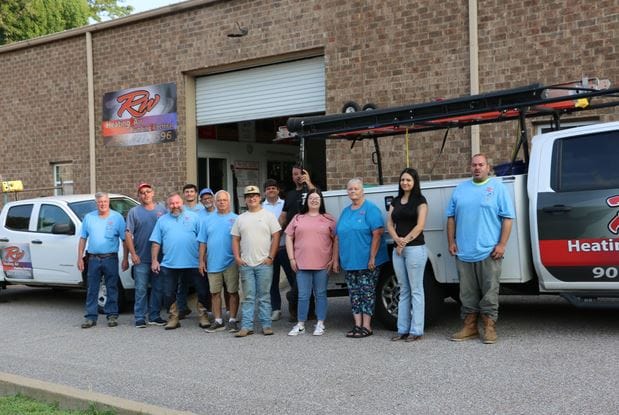
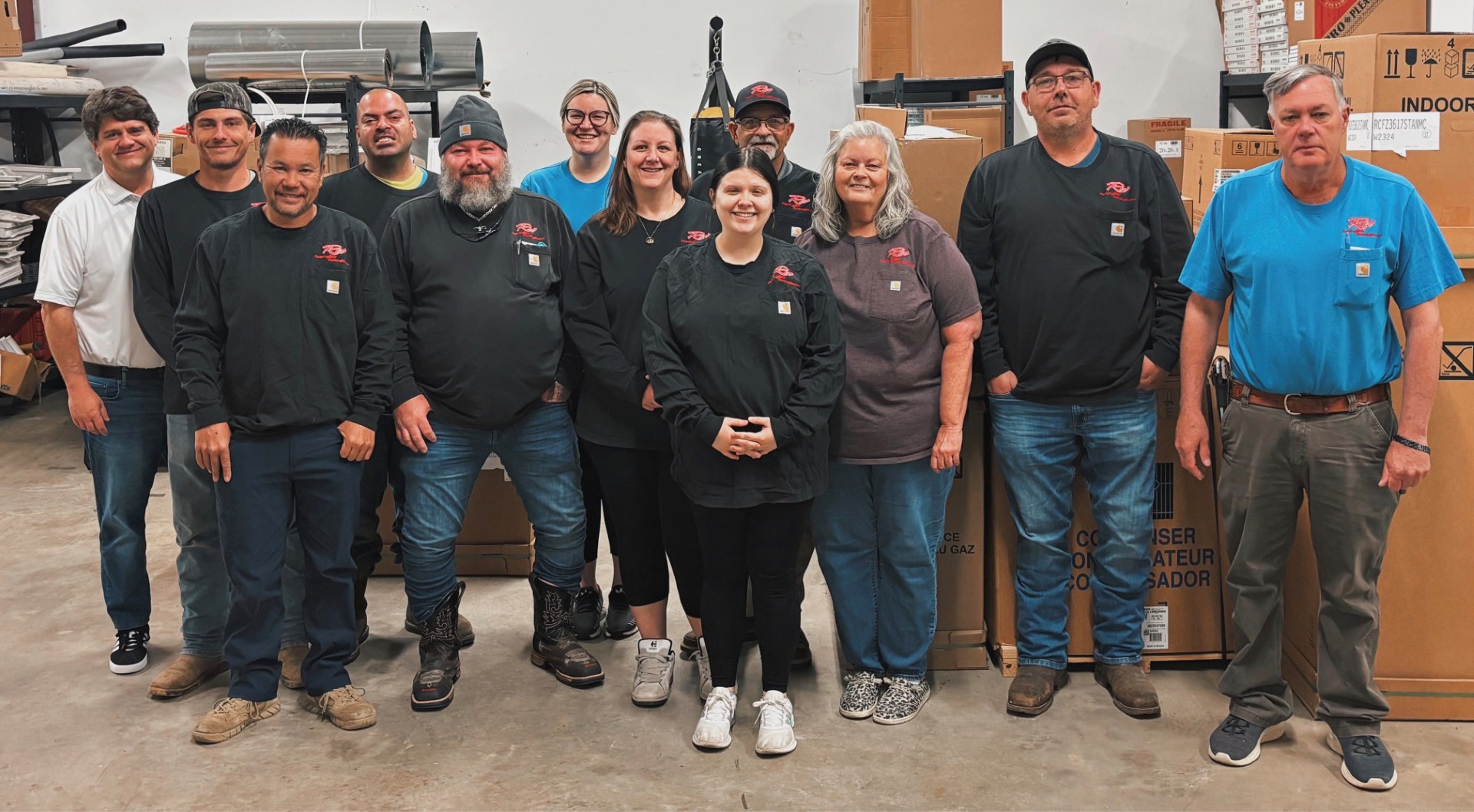
RW Heating, Air, Plumbing & Electrical has been family-owned in Nesbit since 1999. That’s more than 25 years of heating DeSoto County homes through surprise ice storms and sticky Mississippi springs.
The team holds all three licenses (heating and air, plumbing, and electrical) under one roof. Their techs are NATE-certified, the company is a Carrier Factory Authorized Dealer, and it holds an A+ rating with the BBB. But here’s what matters most to a new homeowner: straight answers. If a repair makes more sense than a replacement, they’ll say so.
Need help fast? Call before 10 AM for same-day service, with 24/7 emergency help when the heat quits at the worst possible moment. You can meet the team or read what neighbors are saying before you ever pick up the phone.
Frequently Asked Questions
How often does a furnace need maintenance?
Once a year, ideally in early fall before heavy use. If you have a heat pump, plan on twice a year, once in spring and once in fall, since it heats and cools year-round. New owners with no service records should book a visit right away rather than wait a full year.
My furnace is only a few years old. Do I still need maintenance?
Yes, and here’s a twist many buyers miss. Many manufacturer warranties require proof of yearly professional maintenance, and some require the new owner to register or transfer the warranty within a set time. Find the model and serial number on the unit’s label and check the manufacturer’s website soon after you move in.
How long does a furnace tune-up take?
Most tune-ups take about an hour to 90 minutes. It can run longer if the tech finds a worn part or the system hasn’t been serviced in years. You don’t need to leave the house, and it’s a great chance to ask where your filter goes and what size it takes.
What happens if I skip furnace maintenance?
The furnace may keep running for a while, which is why skipping it feels harmless. But dirt and wear quietly raise your energy bills and strain parts like the blower motor. Skipping it can also hurt a home warranty or manufacturer warranty claim and leave safety issues, like a cracked heat exchanger, unnoticed.
Warm House, Calm Wallet
Buying a home is thrilling. Paying for everything that comes after? Not so much. The good news is that furnace maintenance is one of the cheapest ways to protect both your comfort and your budget.
Remember the big ideas. A home inspection isn’t a tune-up. Small DIY habits, like changing the filter and testing CO alarms, cost almost nothing. And a yearly professional checkup helps you catch small problems before they turn into a midwinter emergency.
Ready to stop wondering about that furnace? RW Heating, Air, Plumbing & Electrical can check your heat, and your plumbing and electrical too, in one trip. Call RW Heating, Air, Plumbing & Electrical at 662-429-2590 or schedule your tune-up online today. One call. One crew. Done right.